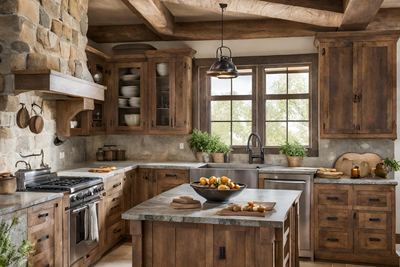
The Farmhouse Kitchen Garden: Your Backyard Path To Fresh Flavors And Timeless Charm
What if your backyard could be more than just a patch of grass—it could be a living pantry, a burst of seasonal color, and a direct link to a simpler, more self-sufficient way of life? Welcome to the enchanting world of the farmhouse kitchen garden. This isn't just a vegetable patch; it's a philosophy. It’s the beautiful, productive heart of a home where aesthetics and utility dance together, where the scent of rosemary mingles with ripe tomatoes, and where dinner starts the moment you step outside your door. In a world of uniform grocery store produce and disconnected food systems, the farmhouse kitchen garden offers a tangible, deeply rewarding solution. It’s about reclaiming the ritual of growing your own food while creating a space of unparalleled charm and serenity. This guide will walk you through every step of designing, planting, and nurturing your own slice of this pastoral paradise, transforming your outdoor space into a haven of flavor and beauty.
The Enduring Allure: More Than Just a Vegetable Patch
A Historical Tapestry: Roots in Necessity and Beauty
The concept of the kitchen garden is as old as civilization itself, but its fusion with the romantic "farmhouse" aesthetic has deep roots in European cottage gardens and American homesteading traditions. Historically, these gardens were born of pure necessity. Before global supply chains, a family’s survival through winter depended on the bounty carefully cultivated, preserved, and stored from a plot located conveniently near the kitchen door. This proximity was practical—it allowed the cook to step outside and snip herbs or pick beans while dinner was on the stove. Over centuries, this utilitarian space evolved. In the cottage gardens of England and France, practicality began to mingle with prettiness. Roses were trained along fences not just for hips but for beauty; lavender bordered paths for its scent and to deter pests. The American farmhouse kitchen garden carried this torch, often featuring a mix of vegetables, culinary herbs, cutting flowers, and maybe a fruit bush or two, all woven together in a seemingly informal, abundant style. This historical blend of subsistence gardening and ornamental horticulture is the very soul of the modern farmhouse kitchen garden. It rejects the sterile, monoculture rows of industrial agriculture in favor of a diverse, resilient, and visually engaging ecosystem that feeds both body and soul.
Defining the Difference: Farmhouse Kitchen Garden vs. Standard Vegetable Patch
So, what truly sets a farmhouse kitchen garden apart from a standard vegetable garden? It’s all in the intention and design. A typical vegetable garden is often optimized purely for production—straight rows, maximum sun exposure, minimal weeds. It’s efficient, but it can be visually plain. The farmhouse kitchen garden, however, is designed to be lived in and looked at. It prioritizes accessibility and aesthetics alongside yield. Key distinguishing features include:
- Proximity: It’s almost always located adjacent to the house, ideally near the kitchen door, for ultimate convenience.
- Design: It uses informal, curved beds, mixed plantings, and incorporates hardscaping like rustic arches, picket fences, gravel paths, and repurposed containers (old sinks, wooden crates, galvanized tubs).
- Plant Palette: It’s a polyculture paradise. You’ll find vegetables, but they are interplanted with culinary herbs (basil, thyme, sage), edible flowers (nasturtiums, calendula, violets), and often cutting flowers for the house (zinnias, cosmos). This creates a tapestry of textures, colors, and heights.
- Atmosphere: It feels inviting and personal, reflecting the gardener’s taste. There might be a bench for sitting with a cup of tea, a birdbath, or a climbing rose on a trellis. It’s a room outdoors, not just a food factory.
In essence, if a vegetable garden is a warehouse, a farmhouse kitchen garden is a bustling, beautiful farmers' market right on your doorstep.
Designing Your Slice of Pastoral Paradise
Site Selection and Sun: The Non-Negotiable Foundation
Before you ever pick up a shovel, the single most critical factor for success is sunlight. Most vegetables and herbs require at least 6-8 hours of direct, unobstructed sunlight daily to thrive and produce well. Observe your potential site throughout the day. Is it shaded by trees or buildings in the morning or afternoon? Remember, the sun’s path changes with the seasons. Proximity to your kitchen is the second golden rule. The shorter the distance, the more likely you are to actually use the garden daily. Consider practicalities: Is there a water source nearby (a spigot or rain barrel)? Is the soil well-draining, or does it pool? Does the area have some natural wind protection, or will you need a fence or hedge? A slightly sloping site can be great for drainage but may require terracing. The ideal farmhouse kitchen garden site is a sunny, accessible, and welcoming nook that feels like a natural extension of your home’s living space.
The Art of the Informal Layout: Beds, Paths, and Borders
Forget the straight, plowed rows. The hallmark of the farmhouse style is soft, organic lines. Raised beds are highly recommended for better soil control, drainage, and easier maintenance. Shape them with gentle curves rather than sharp corners. A classic and beautiful layout is the "four-square" garden, divided by two perpendicular paths crossing at the center, creating four planting areas. This provides structure while maintaining an open feel. Path materials are key to the aesthetic. Use gravel (pea gravel or crushed stone), stepping stones (flagstone, slate), wood chips, or even bricks. The paths should be wide enough to walk comfortably, usually 2-3 feet. Border plantings soften the edges. Consider low-growing, fragrant herbs like thyme or lavender that can be walked on, or sprawling flowers like sweet alyssum. Incorporate vertical elements early: a simple arched trellis made from cattle panel or reclaimed wood can host climbing beans, peas, or even cucumbers, adding height and drama. A rustic picket fence or woven willow hurdle can define the space, provide a support for vining plants, and add instant farmhouse character.
The Soul of the Garden: Selecting Your Plants
This is where creativity and practicality collide. The farmhouse kitchen garden plant list is a curated mix of:
- Culinary Staples: Choose vegetables your family actually eats. Focus on high-yield, easy-to-grow, and expensive-to-buy items like tomatoes (especially heirloom varieties), lettuces (mix seeds for continuous cutting), green beans, peppers, summer squash, and herbs.
- Essential Herbs: These are the flavor powerhouses. Plant perennial herbs like rosemary, thyme, sage, oregano, and mint (in a pot, as it’s invasive). Add annual/biennial herbs like basil, cilantro, dill, and parsley. Position them where you’ll use them most—basil near tomatoes (a great companion plant), mint in a pot by the back door for tea.
- Edible & Beneficial Flowers: This is the secret sauce. Nasturtiums are a must—their leaves and flowers are peppery and edible, they attract aphids away from other plants (trap cropping), and they bloom profusely. Calendula (pot marigold) has edible petals and medicinal properties. Borage attracts pollinators, its leaves taste like cucumber, and it self-seeds readily. Pansies and violas add color and are edible. These flowers confuse pests, support pollinators, and make the garden stunning.
- A Few "Wow" Factor Items: Include something special that sparks joy. A blueberry bush in a large container, a fig tree in a pot (zone-dependent), or a dedicated strawberry jar. A cutting garden of zinnias, cosmos, and sunflowers provides bouquets for the kitchen table.
Planting Strategy: Embrace companion planting. The classic trio of corn, beans, and squash (the "Three Sisters") is a perfect example of mutual support. Plant marigolds throughout to deter nematodes. Intercrop radishes with carrots to mark rows and loosen soil. The goal is a diverse, resilient community where plants help each other, reducing the need for chemicals.
A Year-Round Harvest: Seasonal Planning and Succession Planting
Spring’s Promise: Cool-Season Crops and Early Starts
The farmhouse kitchen garden season often begins in early spring, even before the last frost. Focus on cool-season crops that thrive in milder temperatures. These include:
- Leafy Greens: Lettuce, spinach, kale, Swiss chard, arugula.
- Root Vegetables: Radishes, carrots, beets, turnips.
- Alliums: Onions, shallots, garlic (planted in fall), peas.
- Herbs: Cilantro, dill, parsley.
Use cold frames or row covers to get a 2-4 week head start and protect tender seedlings from late frosts. Practice succession planting—don’t plant your entire lettuce crop at once. Sow a new batch every 2-3 weeks for a continuous harvest. As spring warms, prepare beds for summer crops by adding compost and removing cool-season plants that have bolted (gone to seed).
Summer’s Bounty: The Peak of Abundance
Summer is the grand performance. This is for warm-season crops that need heat and long days:
- Nightshades: Tomatoes, peppers, eggplant.
- Cucurbits: Cucumbers, summer squash, winter squash (plant early for fall harvest).
- Beans: Both bush and pole beans.
- Corn.
- Herbs: Basil loves this heat—plant several batches.
Maintenance is key: Consistent watering (deeply and at the base, not the leaves, to prevent disease), regular weeding (weeds compete for water and nutrients), and mulching with straw or shredded leaves to conserve moisture and suppress weeds. This is also the time for staking and supporting plants like tomatoes and beans. Harvest frequently! Picking beans and zucchini when they are small encourages the plant to produce more. By mid-summer, you can start planning for fall by sowing seeds for your second round of cool-season crops in the shade of taller summer plants.
Autumn’s Harvest and Preparing for Dormancy
Fall brings a second, often sweeter, harvest. Cooler temperatures improve the flavor of lettuces, kales, and root vegetables. Focus on late-season crops:
- Hardy Greens: Kale, collards, spinach (can overwinter with protection).
- Roots: Carrots, beets, parsnips (sweeten after a frost).
- Alliums: Harvest onions and garlic (planted in fall) after the tops die back.
- Winter Squash: Harvest before the first hard frost when the rind is hard.
This is also garden cleanup and soil-building time. Remove dead plant debris (unless diseased—toss that in the trash). Add a thick layer of compost or well-rotted manure to the beds. Plant cover crops like winter rye or hairy vetch in empty beds to prevent erosion, suppress weeds, and fix nitrogen in the soil. In colder zones, protect late fall/winter crops with a thick mulch of straw or use a cold frame for extended harvesting. The farmhouse kitchen garden never truly sleeps; it’s always in a state of preparation for the next cycle.
The Sustainable Heart: Cultivating an Ecosystem, Not Just a Plot
Soil Health: The Unseen Foundation
You are not growing vegetables; you are growing soil. Healthy soil teeming with microbial life is the single biggest predictor of garden success and pest resistance. The mantra is: Feed the soil, not the plants. Start with a soil test to understand its pH and nutrient profile. Then, commit to adding organic matter annually. This means compost—homemade is gold, but high-quality store-bought works. You can also use composted manure, leaf mold, or well-rotted straw. No-till or minimal-till practices help preserve soil structure and fungal networks. By building living soil, you create a resilient foundation that holds water, provides nutrients, and supports a thriving underground ecosystem that directly feeds your plants.
Natural Pest and Disease Management: Working with Nature
A diverse farmhouse kitchen garden is naturally more pest-resistant, but issues arise. The first line of defense is observation. Walk your garden daily. Identify problems early. Embrace Integrated Pest Management (IPM):
- Physical Barriers: Use floating row covers to exclude pests like flea beetles and cabbage moths.
- Manual Removal: Pick off tomato hornworms, squash bug eggs, and slugs by hand.
- Botanical Sprays: Use insecticidal soap or neem oil for soft-bodied insects, but spray carefully to avoid harming pollinators.
- Encourage Beneficials: Plant dill, fennel, and alyssum to attract ladybugs, lacewings, and parasitic wasps that eat pests. Install a bee hotel and a bird bath to invite insect-eating birds.
- Companion Planting: As mentioned, this is your best friend. Marigolds, nasturtiums, and garlic chives have natural pest-deterrent properties.
Remember, a few nibbles are the price of entry into a balanced ecosystem. Aim for tolerance, not perfection.
Water Wisdom and Resourcefulness
Efficient water use is a cornerstone of the farmhouse ethos. Drip irrigation or soaker hoses are superior to sprinklers—they deliver water directly to the root zone, minimizing evaporation and keeping foliage dry (which reduces disease). Water deeply and less frequently to encourage deep root growth. The ultimate farmhouse water solution is a rainwater harvesting system. A simple rain barrel connected to your downspout provides free, soft, chemical-free water perfect for gardens. For the ultimate in resourcefulness, practice greywater recycling (using household wastewater from sinks/showers, with appropriate soaps) where legally permitted. Every drop counts in creating a truly sustainable kitchen garden.
The Modern Farmhouse Kitchen Garden: A Return to What Matters
Wellness, Flavor, and Food Security
In our fast-paced, digital world, the farmhouse kitchen garden is an act of mindful rebellion. The therapeutic benefits of gardening are proven—reducing stress, lowering cortisol, providing gentle exercise, and offering a profound sense of accomplishment. The flavor of a sun-warmed heirloom tomato or a just-picked strawberry is incomparable to anything shipped across the country. You control what goes into your food: no synthetic pesticides, no wax, no days-long transport. This directly translates to improved nutrition—produce picked at peak ripeness has maximum vitamin and mineral content. On a larger scale, these gardens contribute to local food security and biodiversity. By growing open-pollinated and heirloom varieties, you help preserve genetic diversity in our food crops, a critical buffer against industrial monoculture vulnerabilities.
The Aesthetic of Abundance: Creating Curb Appeal and Sanctuary
The visual impact of a well-tended farmhouse kitchen garden is immense. It’s the epitome of curb appeal and homesteading charm. The mix of textures—feathery dill, glossy basil leaves, rough brick paths, trailing nasturtiums—creates a scene of vibrant, productive beauty. It tells a story of care, seasonality, and connection to the land. This space becomes a sanctuary. It’s a place to gather—children learning where food comes from, friends sharing a harvest meal on a patio table just steps from the source. It’s a place for quiet reflection—deadheading flowers or weeding can be a moving meditation. It transforms a utilitarian part of your property into the emotional and functional heart of your home, a place that feels authentically yours.
Getting Started: Small Steps to Big Rewards
You don’t need a sprawling acreage. The beauty of this concept is its scalability. Start small, even with a few large pots on a sunny patio or a 4x4 foot raised bed. Choose 3-5 of your favorite vegetables and 2-3 herbs to begin. Focus on success to build confidence. Use high-quality soil in containers or raised beds. Read seed packets carefully for spacing and sun needs. Join a local gardening group or online community for region-specific advice. Remember, every master gardener was once a beginner who killed their first zucchini. Embrace the learning process. The goal is progress, not perfection. As your confidence grows, you can expand, adding a trellis, a new herb, or a cutting flower. The farmhouse kitchen garden is a journey, not a destination—a lifelong relationship with growing, eating, and savoring.
Conclusion: Cultivating a Legacy of Flavor and Connection
The farmhouse kitchen garden is so much more than the sum of its parts. It is a bridge between the past and the present, a practical toolkit for self-reliance, and a canvas for creative expression. It represents a conscious choice to slow down, to engage with the natural cycles of seed, soil, and season, and to infuse daily life with the profound satisfaction of growing your own food. In its tangled vines, its buzzing pollinators, its vibrant rows of color, and its ever-changing harvest, you find a rhythm that modern life often drowns out. You taste the difference in every meal. You feel the difference in your well-being. You see the difference in your home’s character.
Starting your own is an investment—not of money, but of time, attention, and patience. The returns, however, are exponential: fresher, more nutritious food; reduced grocery bills; a beautiful, personal outdoor space; and a deep, abiding connection to the source of your sustenance. It’s a legacy you build with your own two hands, season after season. So, step outside, imagine the possibilities in that sunny patch by your door, and plant a seed. You’re not just starting a garden; you’re cultivating a way of life—a timeless, farmhouse way of life, right at your kitchen’s threshold.