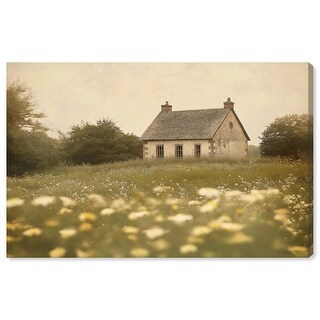
Fairy Garden Farmhouse: Blending Whimsy And Rustic Charm In Your Backyard
Have you ever dreamed of capturing the enchanting magic of a fairy tale and the cozy, timeless appeal of a countryside farmhouse—all within a single, breathtaking miniature landscape? The fairy garden farmhouse trend does exactly that, merging two beloved gardening aesthetics into a captivating microcosm that delights the senses and sparks imagination. This isn't just about tiny doors under toadstools; it's about crafting a cohesive, rustic narrative where miniature barns, weathered fences, and delicate fairy dwellings coexist with lush, scaled-down plantings. It’s a form of living storytelling, a therapeutic escape, and a stunning decorative art form that has taken the world of gardening, DIY, and home decor by storm. Whether you have a sprawling backyard or a modest balcony, creating your own fairy garden farmhouse offers a unique way to connect with nature, express creativity, and add a touch of mystical charm to your outdoor space.
This comprehensive guide will walk you through every step of designing, building, and maintaining your own fairy garden farmhouse. We’ll explore the core design principles that marry rustic and whimsical elements, dive into the perfect plant palettes for authenticity, provide actionable DIY projects for building miniature structures, and share essential care tips to keep your tiny farm thriving year-round. By the end, you’ll be equipped with the knowledge and inspiration to cultivate a magical haven that feels both enchantingly wild and peacefully familiar.
What Exactly is a Fairy Garden Farmhouse?
At its heart, a fairy garden farmhouse is a themed miniature garden that combines the rustic, utilitarian beauty of traditional farmsteads with the delicate, magical elements associated with fairy habitats. Imagine a scene where a miniature red barn with a peeling paint finish sits beside a stone cottage with a tiny smoking chimney, surrounded by picket fences, wooden wheelbarrows, and vintage farming tools—all scaled down to fit a garden bed, container, or even a large planter. The "fairy" aspect introduces ethereal touches: miniature houses made from natural materials, tiny pathways of pebbles or bark, whimsical fairy figurines, and plants that create a lush, tangled, "wild" feel. The "farmhouse" element grounds the design in a sense of history, practicality, and rustic simplicity.
This concept has surged in popularity over the last decade, fueled by social media platforms like Instagram and Pinterest where the hashtag #fairy garden boasts millions of posts. A 2023 survey by the Garden Media Group found that themed miniature gardens, particularly those with a rustic or storybook theme, were among the top trends for container gardening, with a 40% increase in interest over the previous two years. The appeal is multifaceted: it’s a creative outlet for all ages, a form of stress-relieving mindfulness, and a way to add highly personalized, dynamic decor to outdoor living spaces. Unlike static decorations, a fairy garden farmhouse is a living, evolving scene that changes with the seasons and grows with your imagination.
The History and Inspiration Behind the Trend
While miniature gardens have existed for centuries in Japanese bonsai and Dutch stuinperken, the modern fairy garden as we know it began gaining traction in the early 2000s. It drew inspiration from Celtic folklore, where fairies were believed to inhabit natural landscapes, and from the American craft movement’s love of rustic, repurposed materials. The specific farmhouse fusion likely emerged as gardeners sought to create more narrative-driven, cohesive scenes rather than random collections of tiny accessories. It taps into a deep cultural nostalgia for a simpler, more connected way of life—the idyllic farmhouse symbolizes self-sufficiency, warmth, and harmony with the land, while fairies represent mystery, nature’s magic, and wonder. Blending them creates a fantasy that feels both aspirational and comforting.
Foundational Design Principles for Your Rustic Fairy Haven
Creating a successful fairy garden farmhouse requires more than just placing a tiny house next to a plant. It demands a thoughtful approach to composition, scale, and storytelling. The goal is to create a believable, miniature world that feels both magical and authentically rustic.
Establishing a Cohesive Rustic Theme
The farmhouse component sets the stage. Think about the key elements of a classic farmstead: structures (house, barn, shed, coop), functional areas (garden plot, pasture, tool shed), and decorative accents (well, watering trough, haystack). Every accessory you choose should fit this rustic, weathered, and handmade aesthetic. Opt for materials like untreated wood, terracotta, galvanized metal, and natural stone. Avoid anything that looks too modern, plastic, or brightly colored unless it’s a deliberate, subtle pop (like a single red rooster figurine). The color palette should be muted and earthy: creams, browns, grays, greens, and faded reds or blues.
Practical Application: When selecting a miniature barn, choose one with a rough-hewn wood texture and a slightly worn paint job over a perfectly smooth, brightly colored one. For fencing, use twig or rustic wood picket fencing instead of white plastic lattice. Even your fairy figurines should wear simple, homespun clothing—aprons, boots, straw hats—rather than glittery gowns.
Balancing Whimsy with Realism
This is where the fairy magic comes in. Whimsy is introduced through scale, surprise, and ethereal details. The key is to blend it seamlessly with the rustic base. A fairy garden farmhouse might feature:
- A tiny, curved door set into the base of an old tree stump, suggesting a hidden fairy home.
- Mossy "rocks" that are actually cleverly painted ceramic, creating a magical forest floor.
- A miniature washing line with tiny pegs and cloths strung between two posts.
- Glow-in-the-dark pebbles or solar-powered fairy lights to add enchantment at dusk.
The whimsy should feel like a natural, discovered element of the farm, not an intrusive add-on. A good rule of thumb is to follow the "one magical element per vignette" rule to avoid a cluttered, chaotic look.
Mastering Scale and Proportion
Scale is the most critical technical aspect. All elements—structures, furniture, plants, and figurines—must relate to each other in a believable way. A 1:12 scale (where 1 inch in the fairy world equals 12 inches in reality) is a common standard for dollhouse miniatures and works beautifully for fairy garden farmhouse scenes. If your miniature farmhouse is 4 inches tall, a accompanying miniature tractor should be around 2-3 inches, and a fairy figurine should be 1-1.5 inches.
Actionable Tip: Before purchasing anything, decide on a "key piece" (like your main farmhouse) and use its size as your benchmark. Bring a small ruler to the craft store! Also, consider perspective. If your garden is viewed from above (on a patio table), you can use slightly larger scale pieces than if it’s viewed at ground level in a large bed, where you’ll want finer details.
Creating a Sense of Place and Narrative
The most captivating fairy garden farmhouse tells a story. Is this a bustling, working mini-farm with a diligent fairy farmer? A quiet, hidden cottage where fairies tend to magical flowers? A forgotten, overgrown homestead rediscovered by woodland sprites? Decide on a narrative early, as it will guide your accessory choices. A "busy farm" theme might include a tiny wheelbarrow filled with pebbles (representing harvest), a miniature scarecrow, and animal figurines (chickens, goats). A "secret garden" theme might focus on a hidden fairy door in a mossy bank, a tiny tea set on a tree root table, and luminous mushrooms.
The Perfect Plant Palette: Selecting Flora for Your Miniature Farm
Plants are the living, breathing foundation of your fairy garden farmhouse. They provide scale, texture, color, and a sense of wildness. The best choices are slow-growing, small-leaved, and hardy plants that can thrive in your specific climate and the micro-environment of your garden (sun vs. shade).
Ground Covers and "Lawns" for the Farmstead
For the "fields" and "yards" around your miniature structures, you need low-growing, spreading plants that create a soft, carpet-like effect.
- Irish Moss (Sagina subulata): Forms a dense, emerald-green mat that feels like a tiny lawn. Thrives in partial shade and consistent moisture.
- Baby Tears (Soleirolia soleirolii): Creates a lush, delicate green carpet. Prefers shade and high humidity—perfect for a moist, enchanted forest corner.
- Thymus serpyllum (Creeping Thyme): A fantastic sun-loving option that emits a gentle fragrance when stepped on. Its tiny purple flowers in summer add a magical pop of color, resembling a field of wildflowers.
- Sedum acre (Goldmoss Stonecrop): A succulent ground cover with bright yellow star-shaped flowers. Extremely drought-tolerant, ideal for a sunny, "rocky pasture" area.
Miniature Foliage Plants for Structure and Wildness
These plants provide the "trees," "shrubs," and "wild hedgerows" that give your farmhouse context and a sense of being nestled in nature.
- Dwarf Conifers: Varieties like Juniperus procumbens 'Nana' (Dwarf Japanese Garden Juniper) or Picea glauca 'Conica' (Dwarf Alberta Spruce) are perfect for miniature evergreen "forests" or windbreaks around the farm. They provide year-round structure.
- Heuchera (Coral Bells): Their tiny, ruffled leaves come in stunning shades of purple, bronze, and silver. They add fantastic color and texture, resembling leafy bushes or magical flora.
- Miniature Hostas: Look for varieties like Hosta 'Blue Mouse Ears' or 'Pandora's Box'. Their small, patterned leaves are ideal for shady "garden plots" next to the fairy cottage.
- Ferns: Small ferns like Adiantum (Maidenhair Fern) or Asplenium nidus (Bird's Nest Fern) bring a soft, ancient, woodland feel. They love moisture and shade, perfect for a "fairy glade."
Flowering Plants for Seasonal Magic
Incorporate tiny bloomers to represent cottage gardens, wildflower meadows, or magical blossoms.
- Viola (Johnny-Jump-Ups): These cheerful, miniature pansies self-seed readily and come in purple, yellow, and white. They look like a field of wildflowers.
- Alyssum (Lobularia maritima): Its tiny white or purple flowers create a soft, frothy effect, like a cloud of fairy breath.
- Dianthus (Sweet William, Miniature varieties): Offers clove-scented, frilly flowers in pink, red, and white. Excellent for a cottage garden border.
- Miniature Roses: Dwarf rose varieties like Rosa 'Petite de Hollande' can be stunning centerpieces but require more sun and care, symbolizing a prized farmhouse flower garden.
Crucial Planting Tip: Always check your USDA Hardiness Zone and the plant's light/water requirements. Your fairy garden farmhouse will be a container or small bed, so plants will dry out faster. Choose drought-tolerant varieties for sunny, exposed spots and moisture-loving plants for shaded, protected nooks. Always use a high-quality, well-draining potting mix amended with perlite or small pebbles to prevent root rot.
Building the Magic: DIY Projects for Your Fairy Farmstead
One of the greatest joys of a fairy garden farmhouse is creating your own miniature structures and accessories. DIY projects allow for complete customization, cost savings, and a deeper personal connection to your garden.
Constructing a Miniature Farmhouse from Reclaimed Wood
This project creates a stunning, rustic focal point.
Materials: Small pieces of untreated cedar, pine, or reclaimed barn wood; wood glue; small nails or brads; tiny hinges; miniature door knob; non-toxic, water-resistant stain or paint (optional); small piece of bark or moss for roofing.
Steps:
- Design & Cut: Sketch a simple A-frame or gable-roof design (2-3 inches wide). Use a small handsaw or craft knife to cut the walls, roof panels, and a base.
- Assemble: Glue and nail the walls to the base, then attach the roof panels at the peak. Let dry completely.
- Detail: Attach a tiny door with hinges. Add a "window" by cutting a square and gluing a piece of clear resin or a small bead behind it. Paint or stain for a weathered look. Dry brush white paint over edges to mimic paint chipping.
- Roof: Glue layers of thin bark strips or moss to the roof for a thatched or shingled look.
Pro Tip: Use a Dremel tool or fine sandpaper to distress the wood edges for an authentic, aged appearance.
Crafting Fairy Furniture and Farmstead Accessories
- Tiny Wheelbarrow: Use a bottle cap for the wheel, a small twig for the handle, and a flattened piece of clay or cut plastic for the bed. Glue meticulously.
- Mushroom Stools: Find small, flat stones or cut wooden discs. Glue a red-painted acorn cap or a piece of polymer clay shaped like a mushroom on top.
- Galvanized Metal Water Trough: Paint the inside of a bottle cap or a small piece of aluminum foil with gray acrylic paint for a metallic look.
- Miniature Bales of Hay: Roll tiny pieces of jute twine or raffia into tight cylinders and secure with a dab of glue.
Building a Fairy Garden Farmhouse Water Feature
A tiny water element adds life, sound, and attracts real wildlife.
Simple Option: Bury a shallow dish or saucer level with the soil. Place a small, battery-operated submersible fountain pump (available at craft stores) inside, and top with a layer of pebbles and a miniature bucket or leaf as the spout. Ensure the water is changed regularly to prevent mosquitoes.
Natural Option: Create a "babbling brook" by carving a shallow channel into a slab of slate or using a pre-molded resin riverbed. Run a thin, clear tubing from a hidden pump to a higher point, letting water trickle down over the stones.
Nurturing Your Miniature World: Maintenance and Seasonal Care
A fairy garden farmhouse is a living ecosystem and requires ongoing, mindful care to maintain its beauty and the health of its plants.
Watering Wisdom: The Key to Survival
This is the most common point of failure. Due to their small size and often shallow containers, these gardens dry out incredibly fast.
- Check Daily: Especially in hot, sunny weather. Stick your finger into the soil up to the first knuckle. If it’s dry, water thoroughly until water runs out the drainage holes.
- Water Gently: Use a small watering can with a long spout or a spray bottle set to a gentle mist to avoid dislodging tiny plants and decorations.
- Morning Watering: Water in the morning to allow foliage to dry before night, reducing the risk of fungal diseases.
- Consider a Drip Tray: For container gardens, place the pot on a large saucer filled with pebbles and water. The evaporation will create a humid microclimate, beneficial for moss and ferns.
Pruning and Grooming for Miniature Scale
Left unchecked, plants will quickly overwhelm your delicate structures.
- Pinch Back: Regularly pinch the tips of fast-growing herbs and ground covers (like thyme) to encourage bushy, dense growth. Use your fingernails or tiny scissors.
- Prune for Shape: Use small, sharp scissors to trim plants into cloud-like or mound shapes that complement the farmhouse. Remove any flower stalks that would make the plant too tall.
- Weed Relentlessly: Pull any real weeds (like dandelion sprouts) immediately. Also, remove any plant leaves that turn brown or die back to keep the scene pristine.
- Rotate: If your garden is in a container, rotate it weekly so all sides get even light and the plants grow symmetrically.
Seasonal Updates and Weather Protection
Your fairy garden farmhouse should be a dynamic, changing scene.
- Spring: Add miniature tulips (from forced bulbs), violas, and fresh green moss. Perhaps a tiny bird's nest with eggs.
- Summer: Use flowering succulents like Echeveria for a sun-baked look. Add a tiny parasol or watering can as decor.
- Fall: Incorporate tiny pumpkins, gourds, and leaves (real or artificial). Change the fairy clothes to warmer knits. Use orange and yellow foliage plants like Heuchera.
- Winter: For cold climates, move the garden to a protected porch or garage. Use evergreen miniature conifers and dust the scene with a light coating of powdered sugar or artificial snow for a festive look. Add tiny lanterns or solar lights for evening ambiance.
Weather Protection: In harsh winters, delicate ceramic houses and clay accessories can crack. Store them indoors. For permanent outdoor installations in freezing zones, use materials like untreated cedar, stone, or high-density resin designed for outdoors. Always ensure your container has excellent drainage to prevent ice heave.
Frequently Asked Questions About Fairy Garden Farmhouses
Q: Do I need a big yard to create a fairy garden farmhouse?
A: Absolutely not. These gardens thrive in containers of all sizes—from a large terracotta pot to a repurposed wooden crate, an old wheelbarrow, or even a shallow stone basin. A tabletop fairy garden farmhouse is a perfect project for apartment dwellers or those with limited space.
Q: How much does it cost to start one?
A: The cost is entirely scalable. You can start for under $50 by repurposing materials (a broken pot becomes a ruin, twigs become fences), using propagated plants from friends, and making DIY accessories. The main investment is often in one or two key miniature structures. Thrifting at flea markets for tiny vintage items (like a dollhouse chair or a metal toy tractor) is a budget-friendly pro tip.
Q: Will real fairies visit my garden?
A: While science hasn’t confirmed the existence of the Fae, the fairy garden farmhouse is about cultivating a specific feeling—one of wonder, peace, and connection to the small wonders of nature. The "magic" is in the creativity, the care you put into it, and the joy it brings to you and your visitors. That is real and powerful.
Q: How do I keep pets or small children from destroying it?
A: Placement is key. Place your garden on a high patio table, a secure windowsill, or within a low, decorative fence that acts as a barrier. You can also create a "fairy fence" using upright twigs or small sticks placed closely together, which is charming but effective. For determined toddlers, consider a cloche or large glass bell jar placed over the garden when not being supervised.
Q: Can I use artificial plants?
A: You can, but you sacrifice the living, breathing essence. High-quality, realistic silk succulents can work in very dry, shaded spots where nothing will grow, but they lack the dynamic growth and seasonal change that make these gardens so engaging. For a truly magical experience, live plants are strongly recommended.
Conclusion: Cultivating Your Own Pocket of Enchantment
Creating a fairy garden farmhouse is so much more than a gardening project; it’s an act of playful storytelling, mindful creation, and a celebration of the miniature wonders that surround us. It bridges the gap between the rustic, grounded reality of farm life and the limitless, dreamlike world of fantasy. By thoughtfully combining weathered structures, carefully selected tiny plants, and handcrafted details, you build a living diorama that evolves with the seasons and reflects your unique imagination.
Start small—perhaps with a single container, a tiny handmade shed, and a few ground cover plants. Let your narrative unfold gradually as you find the perfect miniature chair at a flea market or propagate a cutting from a friend’s garden. Remember, the most important ingredient is not perfection, but personality. A slightly crooked roof, a mismatched fence post, or a cluster of "weeds" that look mysteriously like fairy flowers all add to the authentic, enchanted charm. In our fast-paced, digital world, a fairy garden farmhouse offers a tangible, serene slice of magic right outside your door. It’s a reminder that wonder can be found in the smallest of spaces, and that with a little creativity, we can all be architects of our own miniature, magical worlds. So, gather your twigs, your seeds, and your sense of wonder, and begin building the farmhouse where fairies are always welcome.