The Ultimate Guide To Creating A Charming Farmhouse Flower Garden
Have you ever dreamed of stepping into a blooming paradise where roses climb weathered fences, lavender sways in the breeze, and the air is sweet with the scent of peonies and fresh earth? This isn't just a garden; it's the heart of a farmhouse flower garden—a space that feels both effortlessly wild and deeply personal. Unlike manicured formal gardens, a farmhouse-style garden celebrates a casual abundance, a mix of useful and beautiful plants, and a sense of history that develops over time. It’s about creating a welcoming, productive, and visually delightful space that looks like it has always been there. Whether you have a sprawling rural property or a small urban cottage, the principles of this beloved style can transform your outdoor area into a sanctuary of color, fragrance, and rustic charm. This guide will walk you through every step, from capturing the essential aesthetic to selecting the perfect plants and designing a layout that invites you to linger.
The Essence of Farmhouse Garden Style
Casual Abundance Over Formal Precision
The cornerstone of a farmhouse flower garden is its rejection of strict symmetry and geometric precision. Think of the gardens you might see surrounding a centuries-old farmhouse in the English countryside or a rustic homestead in Provence. They are characterized by a generous, overflowing quality where plants are allowed to mingle, spill onto paths, and self-seed with abandon. This "organized chaos" creates a dynamic, ever-changing tapestry. Instead of planting in rigid rows, you'll group plants in loose drifts, repeating colors and textures to create harmony amidst the diversity. The goal is to evoke a feeling of plentifulness and ease, as if nature herself is the primary designer, gently guided by a caring hand. This approach is less about control and more about cultivation—setting the stage and letting the garden tell its own story.
Embracing Imperfection and Wildlife
A true farmhouse garden is a haven not just for people, but for beneficial wildlife. It embraces imperfections: a slightly crooked trellis, a patch of clover in the lawn, a beetle chewing a leaf (within reason). This philosophy fosters biodiversity. By choosing a wide variety of plants, you attract pollinators like bees, butterflies, and hummingbirds, which are essential for a thriving ecosystem. You might spot a friendly toad taking shelter under a damp pot or a songbird nesting in a dense shrub. This connection to the natural world is a huge part of the style's appeal. It’s a living, breathing space that supports life beyond itself. Avoiding harsh chemicals and opting for organic practices isn't just a trend here; it's a fundamental principle that keeps the garden healthy and aligned with its rustic, earth-connected ethos.
Key Design Principles for Authentic Charm
To authentically capture the look, focus on a few key design principles. First, prioritize hardscape materials that look aged or natural: weathered wood, galvanized metal, stone, and brick. A new, pristine white fence will look out of place; a reclaimed, silvered wood fence is perfect. Second, think in layers. The garden should have height in the back (shrubs, climbing roses), medium height in the middle (perennials like daisies or delphiniums), and low growers at the front (thyme, alyssum). This creates depth. Third, include "bones" or structure—evergreen shrubs, small trees, or architectural elements like an arbor or a birdbath—that provide year-round interest when flowers fade. Finally, let utility have a place. A vegetable plot or herb garden nestled among the flowers is not just practical; it’s a quintessential farmhouse feature that reinforces the garden's purpose as a place of nourishment.
Choosing the Right Plants for Your Farmhouse Flower Garden
Annuals for Seasonal Splashes of Color
Annual flowers are the workhorses of the farmhouse garden, providing intense, reliable color from spring until the first frost. They are perfect for filling gaps, trying new color schemes each year, and ensuring constant bloom. Classic choices include zinnias (incredibly versatile and beloved by pollinators), cosmos (feathery foliage and daisy-like flowers that self-seed readily), sunflowers (cheerful giants that add height), and sweet peas (for their intoxicating fragrance and delicate blooms). Plant them in masses for impact, or tuck them into borders and containers. A key tip for the farmhouse style is to choose heirloom or open-pollinated annual varieties when possible. These often have more charm, better fragrance, and the ability to self-seed, naturally reappearing in your garden year after year and adding to the casual, unplanned feel.
Perennials for Long-Term Structure
Perennial flowers are the backbone of your garden, returning year after year to build structure and reliability. For a farmhouse aesthetic, focus on old-fashioned, cottage-garden favorites that are often vigorous and hardy. Peonies are a must for their lush, romantic blooms in late spring. Lavender provides summer fragrance, silvery foliage, and attracts bees. Shasta daisies and coreopsis offer cheerful, long-lasting blooms. Dianthus (or "pinks") add a spicy scent and fringed petals. Daylilies are incredibly tough and come in countless colors. When selecting perennials, pay close attention to their mature height and spread to avoid overcrowding, but remember, a little crowding is part of the charm! Plant them in groups of three or five for a more natural look than single specimens.
Heirloom and Old-Fashioned Varieties
To truly nail the farmhouse vibe, seek out heirloom flower varieties—those that have been passed down for generations, often before the 1950s. These plants tend to have more personality, stronger fragrance, and a looser growth habit compared to many modern hybrids bred for uniformity. Examples include the 'Sarah Bernhardt' peony with its soft pink blooms, 'Blue Boy' campanula, or old-fashioned roses like damask roses or alba roses known for their exquisite scent and graceful forms. You can often find these through specialty nurseries, seed exchanges, or historical gardens. Incorporating these varieties connects your garden to a sense of history and tradition, making it feel less like a showroom and more like a living legacy.
Considering Your Climate and Soil
No plant list is one-size-fits-all. The success of your farmhouse flower garden hinges on matching plants to your specific USDA hardiness zone, sun exposure, and soil type. Start by observing your site. Do you have full sun (6+ hours), part sun, or shade? Is your soil sandy, clay-heavy, or loamy? A soil test is a wise investment. Then, research plants suited to your conditions. For example, lavender and rosemary demand excellent drainage and full sun, while hostas and astilbes thrive in shade and moisture. Don't fight your climate; embrace plants that naturally excel there. Your local extension service or native plant nursery are invaluable resources. A garden that thrives with minimal intervention is the ultimate goal of this low-maintenance, high-charm style.
Designing Your Garden Layout with Rustic Charm
Creating Meandering Paths and Hidden Nooks
The layout of a farmhouse garden should feel inviting to explore. Instead of a straight shot from the house, design curving, informal pathways that disappear around a corner, revealing a surprise—a bench under a rose arch, a birdbath surrounded by phlox, or a pot of fragrant herbs. Use natural materials for paths: gravel, decomposed granite, uneven flagstones set in grass, or even simple wood chips. These materials age beautifully and feel underfoot. The paths don't need to be wide; a narrow "desire path" worn through the grass can be formalized with stepping stones. This sense of discovery and intimacy is key. It breaks up the space, makes the garden feel larger, and creates cozy, private seating areas where you can sit and enjoy the fragrance and birdlife.
Mixing Flowers, Herbs, and Vegetables
The quintessential farmhouse garden is a potager—a blend of ornamental and edible plants. This mix is both practical and picturesque. Intersperse culinary herbs like rosemary, thyme, sage, and basil among your flowers. Their textured foliage adds visual interest, and their scents help deter pests. Tuck vegetable plants with attractive features into the border: the purple leaves of kale, the yellow flowers of squash, the bright red stems of chard. Nasturtiums are perfect—their edible, peppery flowers and lush foliage spill beautifully, and they act as a trap crop for aphids. This integration breaks up monocultures, attracts a wider range of beneficial insects, and reinforces the garden's role as a source of sustenance and beauty. It tells a story of self-reliance and a connection to the land.
Incorporating Vintage and Repurposed Elements
The "farmhouse" in farmhouse flower garden extends beyond plants to the decorative and functional objects within the space. This is where you inject personality and history. Look for vintage, weathered, or repurposed items: an old wheelbarrow planted with trailing ivy and geraniums, a rustic wooden ladders leaning against a wall with potted climbers, a galvanized metal washtub as a planter, or a collection of antique flowerpots on a weathered bench. A birdhouse made from reclaimed wood, a cast-iron garden bench with peeling paint, or a simple wooden obelisk for climbing beans or sweet peas all add layers of texture and story. These elements should look like they were found, not bought. They ground the garden in a sense of place and time, making it uniquely yours.
Essential Care and Maintenance for a Thriving Garden
Soil Health: The Foundation of Success
In a farmhouse flower garden, healthy soil is non-negotiable. These plants, often vigorous growers, demand nutrient-rich, well-draining earth. Start by amending your soil generously with high-quality compost. This improves soil structure, water retention, and provides slow-release nutrients. If you have heavy clay, compost and perhaps some coarse sand or grit will help. For sandy soil, compost adds body and fertility. Consider a no-dig or minimal-till approach in established areas to preserve soil life. A thick layer of organic mulch (shredded bark, straw, or compost) applied in spring is perhaps your most powerful tool. It suppresses weeds, retains moisture, moderates soil temperature, and breaks down to feed the soil. Think of your garden not as planting in dirt, but as cultivating a living ecosystem in the ground.
Watering Wisely: Techniques for Efficiency
Watering is where many gardeners struggle, but a few simple practices make a huge difference. The farmhouse garden aesthetic often includes drought-tolerant plants like lavender, sedum, and Russian sage, reducing reliance on irrigation. When you do water, water deeply and less frequently to encourage plants to develop deep, resilient root systems. Soaker hoses or drip irrigation placed at the root zone are vastly more efficient than sprinklers, as they deliver water directly to the soil and minimize evaporation and disease. Always water in the early morning to reduce fungal issues. Collecting rainwater in barrels connected to your downspouts is a perfect farmhouse touch—it's free, soft water for your plants and feels wonderfully self-sufficient. Observe your plants; they'll tell you when they need a drink (slight wilting) versus when they're overwatered (yellowing leaves).
Organic Pest and Disease Management
A healthy, diverse garden is naturally more resistant to pests and diseases, but issues will arise. The farmhouse approach is preventative and organic. Start with companion planting; for example, planting marigolds around tomatoes can deter nematodes, and herbs like mint or dill can confuse pests. Encourage beneficial insects (ladybugs, lacewings, praying mantises) by providing diverse pollen sources and perhaps a small insectary of plants like dill, fennel, or yarrow. For outbreaks, start with physical removal (hand-picking beetles, hosing off aphids) or organic sprays like insecticidal soap or neem oil. Row covers can protect young plants from flea beetles and cabbage moths. Accept that a few chewed leaves are a sign of a living, working ecosystem, not a failure. A perfectly pristine, pesticide-dependent garden is the opposite of the farmhouse ideal.
Bringing Your Farmhouse Flower Garden Through the Seasons
Spring: The Grand Awakening
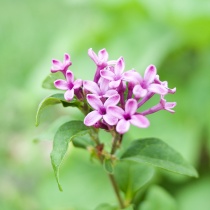
Spring in a farmhouse flower garden is a breathtaking explosion of renewal. It begins with early bulbs: cheerful crocuses, delicate snowdrops, and bold daffodils naturalizing in lawns and borders. This is followed by the majestic peonies, lilacs, and forget-me-nots. The focus is on fresh, vibrant greens and pastel hues. It's the perfect time for sowing cool-season annuals like pansies and snapdragons for early color. Spring maintenance includes cutting back old growth from perennials you didn't get to in fall, dividing overcrowded clumps of plants like hostas or daylilies, and applying that crucial spring mulch layer. It's also a great time to install hardscape features like paths or arbors before plants grow too tall. The energy is optimistic and full of promise.
Summer: Peak Bloom and Harvest
Summer is the glory days of the farmhouse garden. This is when roses (especially old varieties), lavender, delphiniums, coneflowers, and lilies take center stage. The garden is in full, lush abundance. This is also the season of harvest from the integrated vegetable and herb plots. Regular deadheading (removing spent blooms) is the most important task to keep annuals and many perennials blooming profusely. Watering becomes critical, especially during heatwaves. Watch for summer pests like Japanese beetles or spider mites. Embrace the relaxed, slightly wild look; don't feel compelled to deadhead every single plant. Let some seeds heads form for birds and winter interest. This is the season for sitting in the shade with a glass of lemonade, admiring your handiwork and the buzzing life around you.
Fall: Transition and Preparation
Fall brings a warm, golden palette with asters, chrysanthemums, sedums, and the stunning foliage of smoke bushes or maple trees. The focus shifts from blooms to texture and color. It's a time for planting! Many perennials, bulbs (like tulips and daffodils for spring), and cool-season annuals (like ornamental kale) are best planted in the fall. The cooler weather and warm soil are ideal for root establishment. The major task is garden cleanup, but in a farmhouse style, it's selective and gentle. Leave seed heads on plants like coneflowers and hydrangeas for winter bird food and architectural interest. Cut back only truly dead or diseased foliage. Compost all healthy plant material. This is also the time to plant cover crops in veggie beds or add a final layer of mulch to protect perennials over winter.
Winter: Structure and Evergreen Interest
A well-designed farmhouse flower garden does not disappear in winter. It relies on strong "bones"—evergreen shrubs (like boxwood, holly, or juniper), structural perennials with persistent seed heads (like sedum or ornamental grasses), and hardscape elements (arbors, fences, benches) dusted with snow. The beauty becomes one of form, texture, and subtle color. Bark of red-twig dogwood or coral-bell maple provides bright accents. Berries on winterberry holly or cotoneaster feed wildlife. Winter is the quiet season for planning, reading seed catalogs, and maintaining tools. It's also a time to appreciate the peaceful, skeletal beauty of the garden. A dusting of snow on a weathered arbor or a frozen birdbath can be profoundly beautiful, reminding you that the garden is a year-round presence, not just a summer spectacle.
Personalizing Your Space: Adding Heart and History
DIY Projects and Handmade Accents
The soul of a farmhouse flower garden is its personal touch, and there's nothing more personal than something you made yourself. Engage in simple DIY projects that add function and charm. Build a rustic raised bed from reclaimed timber. Create a stepping stone path with concrete and embedded shells or glass. Craft a simple trellis from bamboo or branches for climbing beans or clematis. Paint a vintage enamel sign with a garden saying. Even something as simple as tying up plants with natural jute twine instead of plastic ties contributes to the authentic look. These projects don't need to be perfect; their slight imperfections are what make them blend seamlessly. They embed your own labor and creativity into the garden's fabric, making it a true reflection of your hand and heart.
Incorporating Family Heirlooms and Memories
Infuse your garden with sentimental value by integrating objects with personal history. That old milk can from your grandparents' farm? Plant it with cascading petunias. The chipped enamelware bowl your mother used? Use it as a birdbath. A piece of vintage lace draped over a shrub in spring? It adds a ghostly, romantic touch. Old tools—a rusted hoe, a broken cultivator—can be propped against a fence as rustic sculpture. Even photographs of previous generations in the garden can be placed in a weatherproof frame on a garden shelf. These elements transform your space from a generic garden into a living memoir. They tell a story of continuity, family, and place, which is the deepest essence of the farmhouse philosophy.
Creating Inviting Seating Areas
A garden is for being in, not just looking at. Dedicate thought to creating multiple, cozy seating areas that encourage you to pause and soak it all in. A simple wooden bench placed at the end of a path, under a tree, or overlooking a flower bed is essential. Consider a porch swing or a couple of adirondack chairs painted in a soft, muted color. For a more hidden nook, tuck a bistro set behind a tall shrub or create a circular seating area around a fire pit using gravel or pavers. Ensure these spots have some afternoon shade if possible. Add cushions and throws in natural fabrics like canvas or linen for comfort. Place a small side table nearby for a drink or a book. These "garden rooms" make the space feel human-scaled and livable, extending your home's living space outdoors.
Conclusion
Creating a farmhouse flower garden is not about achieving a perfect, picture-perfect look in a single season. It is a patient, rewarding journey—a collaboration between you and nature that unfolds over years. It’s about embracing a philosophy of abundance, biodiversity, and rustic authenticity. Start with the foundational principles: choose a loose, layered design with a mix of old-fashioned annuals and perennials, integrate edibles and herbs, and use natural, weathered materials. Focus relentlessly on soil health and organic practices. Design for discovery with winding paths and hidden nooks, and don't forget to personalize it with handmade touches and cherished heirlooms. Let some things be a little wild, let some plants self-seed, and welcome the birds and bees as your co-gardeners.
The ultimate charm of a farmhouse flower garden lies in its evolved, lived-in feeling. It tells a story of seasons witnessed, hands in the soil, and quiet moments of joy. It’s a sanctuary that feeds both the soul and the table. So, pick up a shovel, start with one bed, and begin your own legacy. In time, you’ll have more than just a collection of plants—you’ll have a heartfelt haven, a blooming piece of home that feels like it has always belonged.