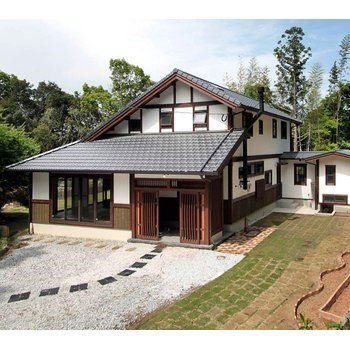
Farmhouse Garden Design Ideas: Your Ultimate Guide To Rustic Charm & Practical Beauty
Have you ever driven past a charming countryside home and felt instantly soothed by its garden? That effortless blend of utility, nostalgia, and natural beauty is the heart of farmhouse garden design ideas. It’s more than just a style; it’s a philosophy that marries the practical needs of a working garden with the romantic, welcoming aesthetic of rural life. In a world of high-maintenance, perfectly manicured landscapes, the farmhouse garden offers a refreshing alternative—a space that feels lived-in, productive, and deeply personal. This guide will walk you through the core principles and creative farmhouse garden design ideas to transform your outdoor space into a sanctuary of rustic elegance and functional joy.
The essence of a great farmhouse garden lies in its intentional informality. It rejects rigid formality in favor of a layout that looks like it has evolved naturally over time, while actually being carefully curated for beauty and use. Think of it as a beautiful, productive chaos. Key elements include hardscaping with history, plant palettes that feel collected, purposeful structures, and a deep connection to the seasons. We’ll explore how to weave these threads together, whether you have a sprawling rural plot or a small urban cottage garden with a farmhouse sensibility.
The Foundation: Practical & Picturesque Pathways
One of the most defining features of any classic farmhouse garden is its system of paths and walkways. These aren't just for getting from point A to B; they structure the garden, create discovery, and protect your plantings from foot traffic. The materials are crucial to achieving that authentic, weathered look.
Embracing Natural & Reclaimed Materials
Forget sterile concrete or uniform pavers. The soul of a farmhouse path is in organic, permeable materials that age gracefully. Gravel is a top choice—it’s affordable, excellent for drainage, and creates a satisfying crunch underfoot. For a slightly more refined but still rustic look, consider crushed oyster shells or pea gravel. Stepping stones are another iconic element. Use irregularly shaped, thick flagstones or even repurposed salvaged bricks or old millstones. The key is to set them slightly unevenly in the soil or grass, allowing moss and creeping plants like thyme or ajuga to colonize the gaps, softening the edges over time.
Designing for Flow and Function
Plan your pathways to create a logical loop, inviting visitors to explore. A main broad, stable path (3-4 feet wide) might lead from the house to a vegetable patch or shed, while narrower, more whimsical secondary paths (2 feet wide) wind through flower borders. Consider the function: a path to the clothesline or compost heap can be simpler, while one bordering a prized rose garden might be more decorative. Edging with low, hardy plants like lavender, catmint, or boxwood (if your climate allows) helps define the path without the need for rigid plastic or metal borders.
The Plant Palette: Casual, Abundant, and Useful
The planting scheme is where your farmhouse garden truly comes alive. The mantra is "plenty and pleasure." This means a mix of edibles, pollinator-friendly natives, and nostalgic ornamentals that look like they’ve happily self-seeded themselves into place.
The "Cut-and-Come-Again" Flower Border
Create a dedicated cutting garden near the house for effortless bouquets. Fill it with classic, long-blooming, and fragrant varieties that thrive in casual conditions. Think zinnias, cosmos, sunflowers (including the stunning, branching 'Autumn Beauty' mix), sweet peas, nigella (love-in-a-mist), and amaranth. These are easy to grow from seed, prolific, and their slightly messy, abundant blooms are perfect for jugs and mason jars. Plant in drifts and blocks rather than single rows for a more natural, fuller look.
Integrating Edibles into the Ornamental Landscape
This is a cornerstone of farmhouse style: edible landscaping. Don't hide the vegetable patch away. Instead, weave it into the ornamental borders. Use kale and chard for their striking, architectural foliage. Train pole beans or peas on rustic teepees or trellises that double as garden sculptures. Edge a sunny path with strawberries or herbs like rosemary, sage, and thyme that release fragrance when brushed against. Fruit trees—a dwarf apple or pear espaliered against a wall, or a stand-alone fig or persimmon—provide structure, shade, and harvest.
The "Weeds" You’ll Actually Want
Embrace a few carefully chosen "wild" plants that support local ecology. Native wildflowers like coneflowers, black-eyed Susans, and milkweed are incredibly low-maintenance and vital for butterflies and bees. Allow a corner of the garden to be a bit more wildflower meadow-like. Similarly, herbs like dill, fennel, and yarrow are fantastic pollinator plants that often get dismissed as weeds but are beautiful in their own right.
Iconic Structures & Features: Function Meets Nostalgia
No farmhouse garden is complete without its functional architecture. These elements provide vertical interest, support plants, and add layers of history and purpose.
The Essential Shed & Potting Bench
The garden shed is the garden’s heartbeat. Opt for a simple, gable-roofed structure with a weathered wooden or corrugated metal exterior. Paint it a classic farmhouse color—white, cream, sage green, or a muted barn red. Inside, organize with vintage tools, bundles of twine, and terracotta pots. Pair it with a sturdy potting bench made from reclaimed wood or an old dresser. This is your command station, a place to pot on, sharpen tools, and simply sit with a cup of tea.
Arbors, Trellises, and Fencing
Create garden rooms and vertical gardens with rustic arbors made from peeled poles or repurposed lumber. Cover them with climbing roses (like the tough, beautiful 'Dr. Huey' or old-fashioned ramblers), clematis, or honeysuckle. Split-rail fences or picket fences (painted white or left natural) define spaces without creating barriers. They’re perfect for supporting sweet peas or cucumbers and add a quintessential countryside boundary. A simple birdhouse or bat house mounted on a post adds both charm and beneficial wildlife habitat.
Water Features with Purpose
A rain barrel attached to the shed downspout is both practical and picturesque. Choose a wooden-looking one or paint a plastic barrel to match your shed. For a more decorative touch, a stock tank (like those used for livestock) makes a fantastic, deep, and sturdy birdbath or even a small pond for water plants. A simple hand pump—even a non-functional vintage one—placed near a path or vegetable garden adds an instant historical touch.
Sustainability & Low-Maintenance: The Smart Farmhouse Way
True farmhouse gardens were born of necessity, so they are inherently practical and sustainable. Modern interpretations lean into these principles for a garden that is beautiful and easy to care for.
Water Wisdom: Capture and Conserve
Beyond rain barrels, practice water-wise gardening. Group plants with similar water needs together (hydrozoning). Use soaker hoses or drip irrigation in vegetable beds to deliver water directly to roots, minimizing evaporation. Apply a thick layer of organic mulch—straw, shredded bark, or cocoa hulls—around all plants. This suppresses weeds, retains soil moisture, and as it breaks down, feeds the soil. In farmhouse style, straw in the veggie patch looks perfectly at home.
Soil Health is Everything
A productive farmhouse garden starts with healthy soil. Implement a simple composting system. A classic three-bin compost made from pallets or wire fencing is highly functional and unobtrusive. Add kitchen scraps (no meat/dairy), garden waste, and shredded leaves. The "black gold" you produce will dramatically improve your soil’s fertility and water-holding capacity, reducing the need for fertilizers. Consider a chicken coop if local ordinances allow; the manure is gold for compost, and the hens provide pest control and eggs.
Choose Tough, Resilient Plants
Fill your garden with plants that thrive on neglect. For sun, this includes lavender, sedum (stonecrop), daylilies, ** ornamental grasses** like feather reed grass, and yarrow. For shade, hostas, ferns, heuchera (coral bells), and astilbe are reliable. These plants establish well, resist pests and diseases, and require minimal watering once settled, freeing you up to enjoy the garden rather than constantly work in it.
Seasonal Design: A Year-Round Story
A compelling farmhouse garden offers interest in all four seasons. It’s a story that unfolds gradually, with different characters taking the lead.
Spring: The Awakening
Focus on bulbs planted in fall. Daffodils (especially the charming, small-cupped varieties), tulips (especially the species or botanical types that naturalize well), and crocus push through the cold soil, providing the first hopeful color. Include early-blooming shrubs like forsythia, quince, and spirea. Underplant with pansies and snapdragons for immediate, cold-tolerant color.
Summer: Abundance & Pollinators
This is the season of full borders and harvest. Your cutting garden will be in full swing. Ensure you have a constant bloom by planting successionally—sow new batches of zinnias and cosmos every few weeks. Hydrangeas (especially the hardy, mophead types), bee balm, and shasta daisies provide large, cheerful blooms. Keep pots of herbs near the kitchen door for easy clipping. The focus is on lush, green foliage and vibrant flowers buzzing with life.
Autumn: Harvest & Hues
Shift the palette to warm tones. Asters and chrysanthemums are the stars. Ornamental grasses like miscanthus and pennisetum develop stunning plumes and fiery fall color. Fruit and berries become decorative—think of the orange berries on pyracantha or the glossy red of holly. Incorporate pumpkins and gourds into beds and onto porch steps. The vegetable garden provides its final, glorious harvest.
Winter: Structure & Silhouettes
When leaves fall, the bone structure of the garden is revealed. This is why evergreen elements and woody plants with interesting bark are so important. Boxwood or yew hedges provide year-round greenery. Red-twig dogwood, paperbark maple, and birch trees offer stunning stem color. Leave the seed heads of coneflowers and grasses standing—they provide food for birds and beautiful, frost-kissed silhouettes against the winter sky. A few evergreen ferns or hellebores (Lenten rose) can surprise with blooms in the coldest months.
Bringing It All Together: Actionable Planning Tips
Ready to start? Here’s how to translate these ideas into your own space.
- Start with a Rough Sketch: Don’t worry about scale. Draw your house, existing trees, and paths. Block out zones: "Kitchen Garden" (veggies/herbs), "Cutting Garden,""Relaxation Zone" (bench/patio), "Wild Corner." This helps you allocate space for each key element.
- Choose a Unifying Color Palette: For flowers, pick 3-4 main colors plus white. Classic farmhouse palettes include soft pastels (blush pink, lavender, powder blue, cream) or hot, sunny colors (tomato red, sunflower yellow, orange). This creates cohesion amidst the apparent randomness.
- Invest in Key Structures First: If budget is limited, prioritize the shed, a main arbor, or a beautiful, wide primary path. These provide the permanent "bones" that make even sparse plantings look intentional.
- Source with Character: Hunt for antique tools at flea markets to hang on your shed wall. Look for unique, mismatched pots at thrift stores. Use reclaimed barn wood for raised beds or a bench. These found objects tell a story.
- Embrace a Little "Untidiness": Perfection is the enemy of farmhouse style. Let a few plants flop into the path. Allow self-seeders like calendula or cleome to pop up where they please. This lived-in look is what creates the authentic, comforting feel.
Frequently Asked Questions About Farmhouse Garden Design
Q: Can I create a farmhouse garden in a small space or suburb?
A: Absolutely! The principles scale down beautifully. Focus on container gardening with galvanized metal tubs, wooden crates, and terracotta pots. Use vertical space with trellises on walls or fences for climbing plants. Create a mini "potager" (French kitchen garden) with raised beds in geometric patterns but filled with informal, abundant plantings. A small picket fence and a charming birdbath can establish the mood instantly.
Q: How do I make my garden look "collected" and not like a nursery?
A: Plant in groups of odd numbers (3, 5, 7) and vary the heights within each group. Mix foliage textures—feathery dill next to broad-leaved coleus, spiky iris next to soft lambs ear. Repeat key plants or colors throughout the garden to create a visual thread. Most importantly, don’t be afraid to edit. If something looks too formal or out of place, move it or give it away.
Q: What are the best low-cost farmhouse garden ideas?
A: Divide and multiply your own perennials. Save seeds from annuals like zinnias and cosmos. Use free mulch from municipal leaf collections or tree trimming services. Make your own garden markers from painted stones or old window sashes. Propagate shrubs like hydrangeas from cuttings. The most charming elements are often the free or found ones.
Q: How do I maintain a farmhouse garden without it becoming overgrown?
A: The key is strategic editing and defined spaces. Your pathways and hardscaping create permanent "clean" areas. Use edging (even a simple trench) to keep lawn and aggressive plants out of borders. Deadhead spent blooms regularly to encourage more flowers and prevent self-seeding where you don’t want it. Do a major spring clean-up and a lighter fall tidy-up, but leave the winter structure standing for wildlife and beauty.
Conclusion: Cultivating a Lifestyle, Not Just a Landscape
Ultimately, farmhouse garden design ideas are about crafting an outdoor space that feeds the soul as much as it feeds the table. It’s a deliberate rejection of sterile perfection in favor of a space that tells a story of seasons, of harvests, of quiet moments on a weathered bench. It’s about the scent of lavender brushing against a worn wooden gate, the sound of bees deep inside a sunflower, and the taste of a sun-warmed tomato picked steps from the kitchen door.
By focusing on practical pathways, a mixed palette of edibles and ornamentals, iconic rustic structures, and sustainable, seasonal practices, you can build a garden that grows more beautiful and meaningful with each passing year. Start small, embrace the process, and remember that the most captivating farmhouse gardens aren’t created in a single season—they are grown, with patience, intention, and a deep appreciation for the simple, profound beauty of a life lived closer to the earth. Your own slice of countryside charm awaits, right outside your door.