Farmhouse Garden Planters: Rustic Charm Meets Modern Gardening
Have you ever strolled past a home and been instantly captivated by a porch brimming with herbs, overflowing with petunias, or showcasing a single, dramatic ornamental grass in a beautifully weathered container? That magical, lived-in elegance is the hallmark of farmhouse garden planters. They’re more than just pots; they’re a design statement that bridges the gap between the cultivated garden and the cozy, welcoming home. But what exactly transforms a simple container into a quintessential farmhouse planter, and how can you master this look in your own space, whether you have a sprawling backyard or a compact city balcony? This guide dives deep into the world of rustic garden containers, exploring materials, styling secrets, plant pairings, and practical care to help you create your own slice of pastoral paradise.
The Enduring Allure: What Makes a Farmhouse Planter "Farmhouse"?
The farmhouse aesthetic is rooted in practicality, heritage, and a sense of relaxed comfort. It rejects fussy perfection in favor of honest materials, subtle imperfections, and functional beauty. This philosophy extends directly to its planters. A true farmhouse garden planter tells a story. It might be made from reclaimed barn wood, a galvanized metal trough that once held livestock feed, or a terracotta pot that has developed a beautiful patina over years of exposure to the elements. The charm lies in the wabi-sabi principle—finding beauty in imperfection, in chipped paint, in rust, in the natural weathering of materials. It’s about creating an atmosphere that feels collected, timeless, and effortlessly inviting, rather than a sleek, showroom-perfect display.
This style connects the architecture of the home to the landscape. A white clapboard farmhouse is complemented by simple, white-painted wooden boxes or classic black iron urns. A rustic stone cottage might be framed by thick, hand-hewn wooden barrels or aged concrete planters. The key is cohesion and authenticity. These planters don’t shout for attention; they whisper of a slower pace of life, of kitchen gardens planted for cooking, and of flowers picked simply because they’re beautiful. They create a transitional space, softening the hard lines of the house and drawing the eye and the spirit into the garden. In our modern, often digital lives, this tangible, earthy connection is profoundly appealing, which is why the farmhouse planter trend shows no sign of fading, consistently ranking high in home and garden decor searches.
Material Matters: A Guide to Classic Farmhouse Planter Materials
Choosing the right material is the first and most crucial step in achieving an authentic farmhouse look. Each material brings its own character, weight, and maintenance requirements to the table.
The Timeless Trio: Wood, Metal, and Terracotta
Wood is arguably the soul of the farmhouse planter. Look for cedar, redwood, or reclaimed barn wood for natural rot resistance. Painted wood—often in classic white, cream, black, or barn red—adds a crisp, traditional touch. Untreated, weathered wood develops a beautiful silvery-gray patina that screams rustic authenticity. When selecting wooden planters, ensure they have adequate drainage and consider lining them with plastic or using them as decorative sleeves for more practical nursery pots to extend their lifespan. Pro tip: For a truly authentic look, seek out planters made from antique wooden crates or repurposed whiskey barrels.
Galvanized metal is another farmhouse staple. Its muted, silvery finish and industrial origins create a fantastic contrast with soft, flowering plants. Galvanized steel tubs, buckets, and troughs are incredibly durable and provide excellent drainage (they often need holes drilled if they don’t have them). They develop a lovely, uneven patina over time. For a warmer tone, look for rustic iron or powder-coated finishes in muted colors like sage green or slate blue. Metal planters are perfect for sunny spots as they heat up quickly, warming the soil for plants like tomatoes or peppers.
Terracotta (unglazed clay) is the classic, ancient choice that exudes Old World charm. Its porous nature allows for excellent air circulation for roots, but it means soil dries out very quickly, requiring more frequent watering. The natural, earthy orange-brown color is quintessentially rustic, and it ages beautifully, often developing a white, crusty mineral deposit (efflorescence) that adds to its character. Glazed terracotta offers more color variety but can feel slightly less "farmhouse" unless in a muted, earthy hue.
Other Notable Contenders
Concrete and cast stone have surged in popularity. Modern manufacturing allows for concrete planters with beautiful, textured finishes that mimic stone or wood. They are heavy, durable, and excellent for creating a permanent, grounded feel. Look for styles with a slightly rough, imperfect texture rather than a perfectly smooth finish.
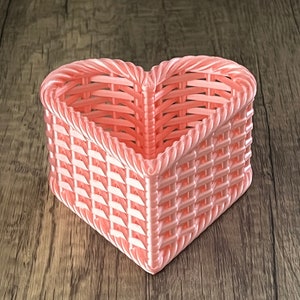
Woven materials like rattan, willow, and seagrass add a soft, organic texture. They are typically used as decorative sleeves for plastic pots and are best suited for shaded, protected areas where they won’t deteriorate rapidly from rain and sun. They are incredibly lightweight and add a charming, casual element.
Repurposed items are the ultimate in farmhouse authenticity. An old enamelware sink, a rustic wheelbarrow, a vintage washtub, or even a cowboy boot (for a whimsical touch) can become a stunning, one-of-a-kind planter. This approach embodies the farmhouse spirit of resourcefulness and creativity.
Sizing It Up: Choosing the Right Planter for Your Plants and Space
The scale of your planter is critical for both plant health and aesthetic harmony. A common mistake is choosing a planter that is either drastically too large or too small for its intended plant.
The "Right-Sizing" Rule: A good general guideline is to choose a planter that is 1-2 inches wider in diameter than the current pot your plant is in, with enough depth for root growth. For long-term growth, you can pot up gradually. A pot that is excessively large for a small plant will hold too much moisture, risking root rot. Conversely, a pot that is too small will constrict roots, stunting growth and requiring constant watering.
Consider the Plant’s Mature Size: This is non-negotiable. Research the ultimate height and spread of your plant. A shrub like a boxwood or a hydrangea will need a substantial, heavy-duty planter (at least 18-24 inches wide) to support its root system and prevent it from toppling over. A trailing annual like sweet potato vine can thrive in a medium-sized hanging basket or spiller pot.
Think About Your Space: On a small apartment balcony, tall, narrow tower planters or a row of matching window boxes can maximize vertical growing space without overwhelming the area. On a sprawling porch or patio, mixing large statement planters (for focal points like a small tree or large shrub) with medium-sized groupings creates visual interest. A good rule for groupings is to use an odd number of pots (3 or 5) in varying but complementary sizes and heights for a natural, collected look.
Weight and Mobility: Consider the final weight. A large concrete or metal planter filled with wet soil and a mature plant can weigh hundreds of pounds. If you need to move it for winter or to rearrange, opt for a lighter material like wood or high-quality resin that mimics stone, or place it on a plant caddy with wheels.
Artful Arrangement: Placement and Styling for Maximum Impact
Placement is where the farmhouse look truly comes to life. It’s about creating vignettes that feel organic and functional.
The Porch & Entryway: This is the prime real estate for farmhouse planters. Symmetrical flanking of the front door with matching urns or planters is a timeless, formal touch. For a more relaxed feel, use asymmetrical groupings of different heights and widths. Incorporate height with a tall, narrow planter holding a grass or small evergreen, and spillers like ivy, bacopa, or million bells that cascade over the edges. Don’t forget hanging baskets from eaves or porch roofs—they add a wonderful vertical layer.
Patio & Garden Borders: Use large planters to anchor corners of a patio or to define the edge of a garden bed. A row of identical window boxes attached to a fence or the sill of a garden shed is pure farmhouse poetry. Mix edibles and ornamentals here: lettuces, kale, and herbs are beautiful and practical, nestled among marigolds and nasturtiums.
The "Thrill, Fill, Spill" Formula: This is the golden rule for stunning container arrangements, farmhouse or otherwise.
- Thrill: A tall, dramatic focal point (e.g., dracaena, ornamental grass, small conifer).
- Fill: Medium-height plants that provide bulk and color (e.g., petunias, geraniums, salvias, vegetables).
- Spill: Trailing plants that soften the edges and connect the planter to the ground (e.g., sweet potato vine, creeping jenny, lobelia).
Styling Details: Elevate your planters on plant stands, crates, or old stools to create visual interest at different levels. Incorporate garden accessories like a rustic watering can, a pair of garden shears, or a vintage lantern placed nearby. Allow for some "imperfection"—a slightly leaning stem, a few nibbled leaves (from beneficial insects, not pests!), or a bit of moss on a terracotta pot adds to the authentic, low-maintenance vibe. The goal is to look curated, not contrived.
Perfect Pairings: The Best Plants for Farmhouse Planters
Choosing plants that suit the style and the planter's conditions (sun vs. shade) is key. Farmhouse style embraces a mix of heirloom edibles, classic ornamentals, and hardy perennials.
For Full Sun (6+ hours):
- Edibles:Tomatoes (especially indeterminate varieties in large pots), peppers, eggplants, basil, rosemary, thyme. Strawberries in a shallow, wide planter are charming and productive.
- Ornamentals:Petunias (especially the fragrant, old-fashioned varieties), geraniums (Pelargoniums), marigolds, zinnias, salvias, lantana. For structure, try dwarf conifers or boxwood topiaries.
For Part Sun/Shade (3-6 hours):
- Ornamentals:Impatiens, begonias (especially dragon wing or tuberous), coleus (for stunning foliage), toad lilies, ferns (like Japanese painted fern for texture).
- Edibles:Lettuce, spinach, kale, chard, mint (plant in a pot alone, as it’s invasive).
For Full Shade (<3 hours):
- Focus on foliage and texture. Hostas (in large, deep pots), ferns (like autumn fern or bird's nest fern), heuchera (coral bells), pulmonaria (lungwort), and ivy.
The Farmhouse Foliage Focus: Don’t underestimate the power of foliage plants. A planter filled with different shades and textures of silver (dusty miller), blue (siberian bugloss), gold (golden creeping jenny), and green can be just as stunning as a blast of flowers and often lasts longer. Ornamental grasses like carex or ** fountain grass** add movement and a soft, breezy texture that is quintessentially pastoral.
DIY vs. Store-Bought: Finding Your Farmhouse Planter
Should you build it yourself or buy it? Both paths have their merits.
The DIY Route (Reap What You Sow):
- Pros: Ultimate customization (size, color, finish), potential cost savings if you have materials/reclaimed wood, immense satisfaction, and a truly unique piece.
- Cons: Requires tools and basic carpentry skills, time investment, and you must ensure proper drainage (drilling holes in metal/plastic, adding slats to wood) and waterproofing (lining wood, sealing concrete).
- Simple DIY Ideas: Assemble a crate-style planter from reclaimed pallet wood. Convert an old enamelware sink or wheelbarrow by adding drainage holes. Stack and glue concrete blocks for a modern-rustic look.
The Store-Bought Route (Convenience & Quality):
- Pros: Immediate gratification, professional construction and drainage, consistent quality, wide variety of styles online and in garden centers, often lightweight (resin) or guaranteed durability.
- Cons: Can be more expensive, less unique (though many artisan makers offer beautiful options), may have a "new" look that takes time to weather.
- Where to Shop: Check local artisan markets for handmade ceramic or metal planters. Browse online retailers specializing in farmhouse/decor (like Wayfair, Pottery Barn, or smaller Etsy shops). Don’t overlook antique stores, flea markets, and salvage yards for genuine vintage pieces with the most character.
Hybrid Approach: Buy a simple, inexpensive pot and distress it yourself. Sand painted areas to reveal wood or primer underneath, use chalk paint for a matte, rustic finish, or add rope, twine, or metal strapping for decorative detail.
Keeping it Fresh: Maintenance Tips for Long-Lasting Rustic Charm
Farmhouse planters, especially those made from natural materials, require some care to keep them looking their best and, more importantly, to keep your plants healthy.
Watering Wisely: The material dictates watering needs. Terracotta and wood dry out fastest; check soil daily in summer. Metal and glazed ceramic retain moisture longer. Concrete is moderate but can get very hot in full sun, warming the soil. Always ensure your planter has adequate drainage holes—this is the #1 rule to prevent root rot. Use the finger test (insert finger 1-2 inches into soil) rather than watering on a strict schedule.
Winter Protection: In freezing climates, terracotta, ceramic, and concrete will crack if left full of wet soil. Empty them, clean, and store upside down in a dry garage or shed. Wooden planters should be raised off the ground (on bricks) to prevent wicking of ground moisture and rot. Galvanized metal is generally frost-proof but can rust if constantly wet. The easiest solution for permanent planters is to plant cold-hardy perennials and evergreens that can stay put, ensuring the planter itself is empty and dry come winter.
Cleaning & Preservation: Remove algae and mildew with a solution of vinegar and water or a gentle brush and soap. For wood, a yearly application of a penetrating linseed oil or tung oil (not a film-forming varnish) can nourish the wood and slow weathering if you prefer a less gray look. For metal, a wax sealant can slow rust development. Embrace some weathering—it’s part of the charm!
Soil & Fertilizing: Always use a high-quality potting mix, not garden soil, which is too dense and can contain pests. Potting mix is designed for containers. Feed regularly during the growing season with a balanced, slow-release fertilizer mixed into the soil at planting time, supplemented with a liquid fertilizer (like fish emulsion or compost tea) every 2-4 weeks. Edibles especially need consistent nutrients.
Conclusion: Cultivating Your Rustic Sanctuary
Farmhouse garden planters are so much more than a container for soil and roots. They are an invitation—to slow down, to get your hands dirty, to blend beauty with utility, and to create a personal sanctuary that feels connected to the earth and the home. By understanding the core principles of material, scale, and plant selection, and by embracing the art of casual, layered styling, you can transform any outdoor space, from a vast lawn to a Juliet balcony, into a scene of rustic romance. Whether you hunt down a weathered antique at a flea market, build a simple box from reclaimed planks, or invest in a beautifully crafted metal tub, you are participating in a timeless tradition of bringing the garden to the doorstep. So, roll up your sleeves, choose your planter, and start planting. Your own picturesque, farmhouse-style haven awaits, one beautiful, imperfect pot at a time.