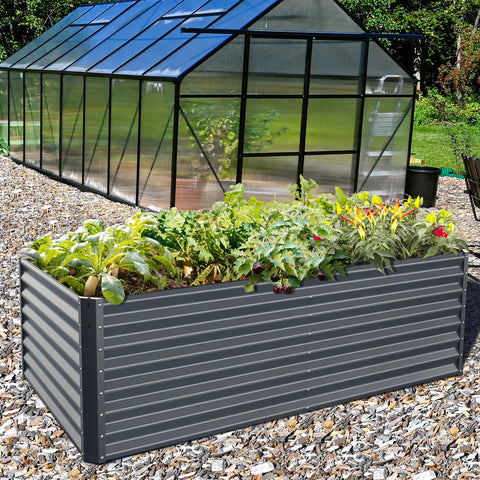
Farmhouse Raised Garden Beds: Your Complete Guide To Charm & Harvest
Have you ever strolled through a picturesque farmhouse garden and wondered how those neat, elevated beds manage to look so effortlessly charming while producing bumper crops? You’re not alone. The farmhouse raised garden bed has become a cornerstone of modern homesteading, blending rustic aesthetics with practical gardening solutions. This timeless garden feature isn’t just about curb appeal; it’s a powerhouse for improving soil health, extending your growing season, and making gardening accessible to everyone. Whether you’re working with a sprawling rural property or a compact urban backyard, understanding how to design, build, and maintain a farmhouse-style raised bed can transform your outdoor space into a productive and beautiful sanctuary. This ultimate guide will walk you through every step, from the historical roots of this gardening method to advanced planting strategies, ensuring you harvest both flavor and fulfillment.
What Exactly is a Farmhouse Raised Garden Bed?
A farmhouse raised garden bed is more than just a box of soil; it’s a defined, elevated growing area that embodies the rustic, practical, and welcoming ethos of traditional farmhouse design. Historically, raised beds were used in ancient civilizations like those in the Andes and Europe to improve drainage and conserve water. The farmhouse aesthetic specifically draws from the utilitarian yet charming gardens of American homesteads, where functionality met a simple, weathered beauty. These beds are typically constructed from natural materials like wood and are designed to be both productive and visually integrated into a home’s landscape. They represent a shift from the rigid, row-based planting of commercial agriculture to a more intimate, manageable, and decorative form of food production that you can step right into.
The Core Definition: Elevation and Aesthetic
At its core, a raised garden bed is a structure that holds soil above the ground level. What sets the farmhouse variant apart is its deliberate styling. Think of rough-hewn timber, visible hardware like black iron screws or brackets, and a finish that weathers gracefully over time. The design prioritizes a "lived-in" look, often using materials that echo the architecture of a farmhouse—such as reclaimed barn wood or cedar that ages to a soft gray. This isn’t about perfect, plastic-edged rectangles; it’s about organic lines, natural textures, and a sense of permanence. The elevation, typically between 6 to 24 inches, serves a critical purpose: it allows you to control the growing medium entirely, bypassing poor native soil, reducing compaction, and providing better drainage.
Why "Farmhouse"? The Style Matters
The "farmhouse" modifier signals an intention to create a garden that feels connected to a simpler, more grounded way of life. It’s a key component of cottagecore and homesteading aesthetics that have surged in popularity. This style often incorporates companion planting with edible flowers and herbs, uses natural mulches like straw, and may feature whimsical touches like a painted trellis or a vintage watering can. The goal is a space that is both highly functional and deeply personal, a place that invites you to linger. It contrasts with modern, minimalist raised beds made of sleek composite materials, favoring instead the warmth and character of natural wood. This aesthetic choice directly influences material selection, color palettes (think whites, creams, natural browns, and greens), and even the types of plants chosen—heirloom vegetables and old-fashioned flowers are perfect companions.
The Unbeatable Benefits: Why Gardeners Are Making the Switch
Choosing to install a farmhouse raised garden bed is one of the best decisions you can make for your gardening success and enjoyment. The advantages extend far beyond mere looks, impacting plant health, your physical comfort, and even your grocery bill. Let’s explore the tangible benefits that make this gardening method so compelling.
Superior Soil Control and Health
Perhaps the most significant advantage is the complete control you gain over your soil composition. Native soil can be rocky, clay-heavy, sandy, or depleted. In a raised bed, you create a custom blend from scratch, typically a mix of high-quality topsoil, compost, and soil amendments like coco coir or perlite. This tailored medium is loose, well-aerated, and rich in organic matter, creating an ideal environment for root development. According to agricultural studies, plants in well-prepared raised beds can develop root systems up to 50% larger than those in compacted ground soil. Furthermore, this isolation prevents the ingress of weeds and soil-borne pathogens, drastically reducing your weeding time and the risk of disease. You’re essentially giving your plants a five-star hotel to grow in, year after year.
Ergonomic Gardening: No More Back Pain
Gardening should be a joy, not a source of pain. The elevated nature of a farmhouse raised garden bed is a game-changer for ergonomics. By reducing the need to bend over and kneel on the ground, these beds significantly lessen strain on your back, knees, and wrists. The ideal height is generally between 24 and 36 inches for standing gardeners, or 12 to 18 inches for seated gardeners. This accessibility makes gardening possible for seniors, individuals with mobility challenges, and anyone who wants to garden comfortably for longer periods. Imagine harvesting a basket of lettuce without ever having to crouch—that’s the promise of a well-designed raised bed. It transforms gardening from a taxing chore into a relaxing, sustainable activity you can enjoy for decades.
Enhanced Drainage and Root Health
Waterlogged soil is the silent killer of many garden plants, leading to root rot and fungal diseases. Raised beds, by their very nature, have superior drainage because the soil is above grade and not subject to groundwater pooling. The loose, amended soil mix allows excess water to percolate through quickly while retaining enough moisture for plant uptake. This is especially crucial in areas with heavy clay soil or high rainfall. Better drainage means healthier roots, which translates to stronger plants and higher yields. You’ll also find that your beds warm up faster in the spring, allowing for an earlier planting date and a longer growing season—a critical advantage in cooler climates.
Pest and Weed Management
While not a complete solution, raised beds create a physical barrier that makes it harder for certain pests like slugs, rabbits, and ground-dwelling insects to access your plants. The defined edges also make it easier to implement integrated pest management strategies, such as adding copper tape for slugs or installing row covers. The contained space dramatically reduces the invasion of perennial weeds from surrounding lawns, as you start with a clean, weed-free soil medium. Any weeds that do appear are typically from wind-blown seeds or contaminated compost, and they are much easier to remove from the loose, friable soil of a raised bed than from compacted earth.
Extended Growing Season and Higher Yields
The combination of better drainage, warmer soil, and optimized soil conditions means you can plant earlier in the spring and harvest later into the fall. The soil in a raised bed can be up to 5-10°F warmer than ground soil in early spring, giving you a jump start on cool-season crops like peas and spinach. In the fall, this residual heat can prolong the life of late-season crops. Numerous studies, including research from institutions like the University of Minnesota Extension, have shown that raised beds can produce up to four times more than an equivalent area of traditional garden space, primarily due to the intensive planting and ideal soil conditions they support.
Material Mastery: Building Your Bed to Last
The soul of a farmhouse raised garden bed lies in its materials. The choice you make here dictates not only the bed’s longevity and safety but also its ultimate aesthetic. From classic timber to modern composites, each option has a distinct personality and performance profile.
The Gold Standard: Untreated Natural Wood
For an authentic farmhouse look, nothing beats untreated, rot-resistant lumber. Cedar and redwood are the top-tier choices. Both contain natural oils and tannins that resist decay, insects, and moisture, allowing them to last 10-20 years or more without chemical treatments. Cedar has a distinctive reddish-brown hue that weathers to a elegant silver-gray, while redwood maintains a richer, deeper tone. Black locust is another exceptional, incredibly durable option, though it can be harder to find and work with. The primary benefit of untreated wood, especially for edible gardens, is peace of mind. You don’t have to worry about chemicals like arsenic (from old CCA-treated wood) or copper leaching into your soil and, ultimately, your food. The natural weathering process adds character, with cracks, knots, and color variations telling the story of the seasons.
Budget-Friendly and Fast: Pressure-Treated Lumber (Modern Formulations)
Modern pressure-treated lumber (since 2004) uses alkaline copper quat (ACQ) or copper azole (CA), which are considered safe for vegetable gardens by the EPA. It’s significantly more affordable and widely available than cedar, and it offers excellent rot and insect resistance, lasting 20+ years. The main considerations are aesthetic and environmental. It starts with a greenish tint that weathers to brown, and some gardeners prefer to avoid any copper in their soil, despite the scientific consensus on its safety. If you choose this route, you can line the interior with a thick plastic barrier (like 6-mil polyethylene) to create a direct soil-to-wood separation, though this can reduce soil aeration over time.
The Reclaimed & Rustic Route
True farmhouse style often embraces reclaimed wood. Barn wood, salvaged fencing, or even old shipping pallets (ensure they are heat-treated, not chemically treated, marked with "HT") can be transformed into stunning beds with incredible character and history. This is the ultimate in sustainability, giving new life to old timber. The major caveat is sourcing and preparation. You must be certain of the wood’s history—avoid any wood from old industrial sites that may be contaminated with chemicals. Reclaimed wood is often already weathered and may have nails or hardware that need removal. Its irregular thickness and existing character require more creative construction but yield a one-of-a-kind result that is the epitome of farmhouse charm.
Alternatives: Composite, Metal, and Stone
While less traditionally "farmhouse," some alternatives can work. Composite lumber (made from recycled plastic and wood fibers) offers incredible longevity, zero maintenance, and a uniform look. However, it lacks the rustic texture and natural weathering of wood, often looking more modern. Corrugated metal (like galvanized steel) attached to a wooden frame can create a striking, industrial-farmhouse hybrid, but you must ensure it’s untreated and consider soil temperature—metal can get very hot in full sun. Stone or brick are permanent, classic, and beautiful but are the most expensive and labor-intensive to install, best suited for a permanent garden feature.
Designing Your Dream Farmhouse Bed: Form Meets Function
A great design starts with a plan. Before you buy a single board, consider the practical and aesthetic elements that will make your farmhouse raised garden bed a joy to use and behold for years to come.
Optimal Dimensions for Growth and Access
The classic rule for raised bed dimensions is: width should be no more than 4 feet. This is the maximum distance a person can comfortably reach into the center of the bed from either side without stepping on the soil, which would compact it. Length can be whatever fits your space—8 feet is a common, manageable size. Height is your ergonomic choice. For ease of standing, aim for 24-36 inches. For a more traditional look and if you’ll be sitting on the edge, 12-18 inches is sufficient. Remember, taller beds require more soil, which increases initial cost, but they are better for deep-rooted crops like tomatoes and carrots and are much easier on the body. A common, versatile size is 4x8 feet at 24 inches high.
Farmhouse Style Elements: The Details That Tell a Story
This is where you infuse personality. Farmhouse style is about simple, sturdy, and slightly worn elegance.
- Hardware: Use black iron or galvanized steel screws, brackets, and corner braces. Visible, substantial hardware adds an industrial, utilitarian touch. Avoid shiny, decorative hardware; opt for things that look like they’ve been there for a while.
- Wood Finish: You can leave the wood to weather naturally, which is the most authentic route. Alternatively, use a linseed oil/tung oil blend or a natural, plant-based stain (like those from AFM Safecoat) to slightly slow weathering and enhance grain. Avoid glossy polyurethanes or paints that will peel; if you want color, use a milk paint or chalk paint for a matte, chalky finish that wears gracefully.
- Shape: While rectangles are standard, consider L-shaped beds to define a corner, or octagonal beds for a focal point. Gentle curves can be achieved by stacking courses of wood with slightly overhanging ends.
- Accessories: Integrate trellises on the north side (to avoid shading other plants) for climbing beans, peas, or cucumbers. A simple hoophouse or cold frame top made from PVC and plastic sheeting can extend your season dramatically and fits the functional farmhouse vibe.
Location, Sunlight, and Microclimates
Sunlight is non-negotiable. Most vegetables require at least 6-8 hours of direct sunlight daily. Observe your potential site throughout the day to track sun patterns. Morning sun is generally preferable to harsh afternoon sun in hot climates. Also, consider proximity to a water source—you’ll be watering frequently. A level site is ideal for construction, but slight slopes can be managed with terracing. Think about wind exposure; a solid fence or hedge can act as a windbreak. Finally, place your beds where you’ll see and enjoy them daily. A garden tucked away in the backyard is less likely to be tended with love than one right outside the kitchen door.
Building Your Farmhouse Raised Garden Bed: A Step-by-Step DIY Guide
Ready to get your hands dirty? Building a basic 4x8 foot, 24-inch high farmhouse raised bed is a perfect weekend project for a beginner with basic tools. This guide uses untreated cedar for its beauty, durability, and safety.
Tools and Materials Checklist
Materials:
- (8) 2x6" x 8' untreated cedar boards (for the sides)
- (4) 4x4" x 8' untreated cedar posts (for corner supports)
- (1) 1lb box of 3" black iron deck screws or galvanized wood screws
- Cardboard (for weed barrier, optional but recommended)
- Soil mix (calculate volume: 4' x 8' x 2' = 64 cubic feet)
Tools:
- Tape measure
- Circular saw or handsaw
- Drill/driver
- Square (carpenter's or speed square)
- Level
- Work gloves and safety glasses
Construction Process: From Stack to Stable
- Cut the Lumber: From your 2x6 boards, cut four pieces to 8 feet long (the long sides) and four pieces to 4 feet long (the short sides). From your 4x4 posts, cut four pieces to 22 inches long. (The 2-inch difference from the 24" bed height accounts for the thickness of the side boards).
- Assemble the Frame: Lay two long 2x6 boards on the ground, parallel, 4 feet apart (inside-to-inside). Attach the 4-foot 2x6 boards to the ends with screws, forming a rectangle. Use your square to ensure 90-degree corners. This is your first course.
- Add Corner Posts: Stand a 22-inch 4x4 post at each inside corner. Pre-drill holes and screw through the side boards into the post, securing it firmly. The post should be flush with the top and bottom of the side board. These posts are your bed’s backbone, preventing the soil pressure from bowing out the walls.
- Build the Second Course: Stack a second layer of 2x6 boards on top of the first, aligning them. Screw down through this second layer into the first layer and, crucially, into the corner posts again. Stagger the screws between courses for maximum holding power. For beds taller than 24 inches, add a third course in the same manner.
- Site Preparation and Placement: Choose your sunny, level spot. Remove all grass and weeds. Optionally, lay down a thick layer of cardboard (remove all tape and labels) to suppress weeds; it will decompose over time. Place your assembled bed frame on the site. Use a level to check it’s even. You can shim the low corners with gravel or soil.
- Final Soil Fill: Fill the bed with your custom soil mix. Don’t just use regular topsoil; blend it 60/40 with high-quality compost and a soil conditioner like coconut coir for perfect texture and water retention. Mound the soil slightly higher in the center to allow for settling. Water thoroughly.
The Perfect Soil Recipe: The Foundation of Your Harvest
Your farmhouse raised garden bed is only as good as the soil inside it. This is not the place to skimp. The goal is a light, fertile, well-draining medium that supports explosive root growth.
The Essential Trio: Topsoil, Compost, and Amendment
A proven, foolproof ratio is:
- 60% High-Quality Topsoil: Not the cheap, heavy stuff from a bag. Look for a loamy, dark, screened product. If buying in bulk from a landscape supplier, ask for a "garden bed mix" or "triple mix."
- 30% Mature Compost: This is your soil’s lifeblood. It provides slow-release nutrients, improves soil structure, and feeds beneficial microbes. Use your own homemade compost or purchase a certified organic compost from a reputable source.
- 10% Soil Amendment: This is for texture and drainage. Coconut coir is excellent—it holds 8-9 times its weight in water but releases it readily to plant roots and is sustainable. Perlite or vermiculite are also great for aeration. For a truly farmhouse approach, you could use a small amount of well-rotted manure (cow or chicken) as part of your compost component.
The "No-Till" Advantage and Soil pH
Once your bed is filled, avoid walking on the soil. This preserves the loose structure you’ve built. Use a broadfork or simply hand-turn the top few inches when planting. This no-till approach mimics nature and protects fungal networks. Before planting, it’s wise to test your soil pH. Most vegetables prefer a slightly acidic to neutral range (6.0-7.0). You can use a simple home test kit. If your soil is too alkaline (common in arid regions), mix in some elemental sulfur. If too acidic, add garden lime. Adjusting pH once at the start sets the stage for nutrient availability.
Feeding Your Soil: The Yearly Top-Dress
A farmhouse garden is a cycle of giving back. At the end of each growing season, top-dress your beds with 1-2 inches of finished compost. In the spring, before planting, gently rake this in. This simple act replenishes nutrients, improves soil structure, and feeds the soil ecosystem. You can also plant a cover crop (like winter rye or hairy vetch) in the off-season and chop it into the soil in spring as a "green manure." This practice, common on real farms, is the ultimate in sustainable soil building.
Planting Strategies for Maximum Bounty
With your perfect soil ready, it’s time to plant. The farmhouse raised garden bed lends itself to intensive, efficient planting techniques that maximize your harvest in a small space.
The Square Foot Gardening Method
This is the perfect partner for a 4x8 bed. Divide your bed into 1-foot squares using a simple grid of string or thin wood lath. In each square, plant a specific number of seeds or transplants based on plant size: 1 per square for large plants (broccoli, tomatoes), 4 per square for medium (lettuces, basil), 9 for small (spinach, onions), and 16 for very small (carrots, radishes). This eliminates wasted space, simplifies thinning, and makes succession planting a breeze. It’s an incredibly organized, efficient system that looks neat and farmhouse-y when all the squares are filled.
Companion Planting: Nature’s Pest Control
Embrace the old wisdom of companion planting. This is where the farmhouse aesthetic meets practical science. Certain plants grown together benefit each other by repelling pests, attracting beneficial insects, or improving flavor. Classic examples:
- The Three Sisters: Corn (support), beans (nitrogen fixer), and squash (ground cover).
- Tomatoes + Basil: Basil is said to improve tomato flavor and repel flies and mosquitoes.
- Carrots + Onions: The smell of onions deters the carrot fly.
- Marigolds Everywhere: Plant them around the perimeter of your bed. Their scent confuses pests and their roots can suppress soil nematodes.
This creates a vibrant, diverse, and resilient mini-ecosystem within your bed.
Vertical Gardening and Succession Sowing
Don’t let horizontal space limit you. Use your trellises to grow vining crops vertically: pole beans, peas, cucumbers, and even small melons. This saves precious soil space and improves air circulation, reducing disease. Combine this with succession sowing—the practice of planting a new batch of seeds every 2-3 weeks for crops like lettuce, radishes, and spinach. As soon as one crop is harvested, you plant the next. This ensures a continuous, staggered harvest rather than a glut all at once, making your garden productive from spring until frost.
Seasonal Care and Maintenance: Keeping Your Farmhouse Thriving
A farmhouse raised garden bed is a living system that needs different care throughout the year. A little seasonal effort ensures decades of productivity.
Spring: The Grand Awakening
- Clean-Up: Remove any leftover plant debris from fall. If you didn’t top-dress in fall, add your compost now.
- Soil Prep: Gently fluff the top 2-3 inches of soil with a hand fork. It’s likely compacted from winter rains.
- Planting: Follow your plan! Start cool-season crops (peas, lettuce, kale) as soon as the soil can be worked (not frozen, not soggy). Wait for warmer soil for tomatoes, peppers, and squash.
- Watering: Establish a deep, infrequent watering schedule. Early morning is best. Use a soaker hose or drip irrigation placed on the soil surface to conserve water and avoid wetting leaves (which promotes disease).
Summer: The Peak Season
- Mulch, Mulch, Mulch: Apply a 2-3 inch layer of organic mulch (straw, shredded bark, wood chips) around plants once they are established. This is the single most effective way to conserve moisture, suppress weeds, and keep soil temperatures stable. It also looks incredibly rustic and farmhouse-appropriate.
- Weeding: Weed after a rain or watering when roots are easy to pull. A few minutes every few days is better than a massive weekend effort.
- Feeding: Heavy feeders like tomatoes and corn may benefit from a side-dressing of compost or an organic liquid fertilizer (like fish emulsion) mid-season.
- Pest Watch: Inspect plants regularly. Hand-pick pests like tomato hornworms. Use insecticidal soap or neem oil for soft-bodied insects if needed, following organic practices.
Fall: Harvest and Preparation
- Harvest: Enjoy the fruits of your labor! Keep harvesting regularly to encourage continued production.
- Plant a Cover Crop: As beds are emptied, sow a winter cover crop like winter rye or hairy vetch. This protects soil from erosion, suppresses weeds, and adds organic matter when tilled in spring.
- Clean and Repair: At the very least, remove all plant material (do not compost diseased plants). Give the bed structure a once-over. Tighten any loose screws. This is the time to do minor repairs before winter.
Winter: Rest and Reflection
- Cover: If you didn’t plant a cover crop, cover the bed with a thick layer of shredded leaves or straw to protect the soil microbiome from extreme freeze-thaw cycles.
- Plan: Use this downtime to sketch next year’s garden plan, noting what worked and what didn’t. Order seeds for the coming season.
- Maintain Tools: Clean, sharpen, and oil your gardening tools. A well-maintained tool is a happy tool.
Frequently Asked Questions About Farmhouse Raised Garden Beds
Q: Do I need to line the bottom of my raised bed?
A: Generally, no. A liner (like landscape fabric) at the bottom can prevent soil drainage and hinder earthworm and beneficial microbe activity. The exception is if you have a severe pest problem (like gophers or moles). In that case, use hardware cloth (1/4" galvanized mesh) stapled to the bottom. It keeps pests out but allows water and worms to pass through.
Q: How often should I water my raised beds?
A: There’s no set schedule. Water deeply when the top 1-2 inches of soil are dry. Raised beds drain faster than in-ground gardens, so they may need watering more frequently in hot, dry weather, but less in cool, damp periods. A moisture meter is a cheap, invaluable tool. Morning watering is ideal.
Q: Can I use regular garden soil in my raised bed?
A: No. Regular garden soil is too dense, may contain weed seeds, and will compact in a raised bed, suffocating roots. You must use a custom blend of high-quality topsoil, compost, and amendment as described above. Think of it as creating a pot for a giant plant—you need a premium potting mix equivalent.
Q: What’s the best wood for a farmhouse raised bed?
A: For a balance of authentic look, safety, and longevity, untreated cedar is the champion. It’s naturally rot-resistant, safe for edibles, and develops a beautiful patina. For a tighter budget, modern pressure-treated lumber is a safe and durable option if you line it or are comfortable with the science behind its safety.
Q: How deep should a raised bed be for vegetables?
A: Minimum 12 inches for most vegetables. 18-24 inches is ideal for deep-rooted crops like tomatoes, carrots, and potatoes, and for easier ergonomics. Shallow beds (6-8") are fine for lettuces and herbs but require more frequent watering.
Cultivating Your Own Piece of Farmhouse Heaven
The journey of creating a farmhouse raised garden bed is a rewarding one that connects you to the earth, to your food, and to a timeless aesthetic. It’s about more than just growing vegetables; it’s about crafting a space that nourishes your body and soul. You’ve learned that the perfect blend of rustic materials and smart design creates a structure that is both beautiful and built to last. You understand that the soil is the true foundation of your success, and that ergonomic height transforms gardening from a chore into a daily pleasure. From the satisfying thwack of the first screw to the crisp taste of a carrot pulled from loose, dark soil, every step is an investment in a healthier, more beautiful lifestyle.
So, gather your tools, choose your lumber, and mark out that sunny patch of yard. Your farmhouse raised garden bed awaits. It’s a project that pays dividends in flavor, well-being, and the simple, profound joy of cultivating your own little piece of the earth. There’s no better time to start than now.