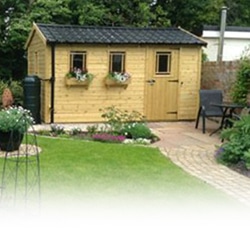
The Ultimate Guide To Farmhouse Style Garden Sheds: Charm, Function & Rustic Appeal
Ever dreamed of a quaint, whitewashed shed with a cute little window and a dutch door, nestled among your flowers and vegetables? That, my friend, is the magic of a farmhouse style garden shed. It’s more than just a storage unit; it’s a cornerstone of cottagecore dreams, a functional piece of outdoor decor that whispers stories of simpler times and garden-to-table living. In a world of sleek, modern minimalist designs, the warm, inviting, and utterly charming farmhouse shed is making a massive comeback, becoming the heart of the backyard for gardeners, DIY enthusiasts, and anyone craving a touch of pastoral peace. This guide will walk you through everything you need to know—from defining the aesthetic and choosing materials to clever organization and navigating building codes—to help you create or select the perfect rustic sanctuary for your garden tools and treasures.
What Exactly Is a Farmhouse Style Garden Shed?
Before we dive into the "how," let’s clarify the "what." The farmhouse style is rooted in practicality, honesty of materials, and a cozy, lived-in feel. It draws inspiration from traditional American and European countryside outbuildings—think the sheds behind old Virginia farmhouses or the potting sheds in English cottage gardens. The core philosophy is beautiful utility. Every element serves a purpose, but it does so with grace and character.
Key Design Hallmarks of the Rustic Shed
What sets a farmhouse shed apart from a generic box? It’s all in the details. You’ll typically find a classic gable roof (the triangular roof shape), often with a moderate pitch. The siding is a dead giveaway: board and batten (wide vertical planks with thin strips covering the seams) or clapboard (horizontal overlapping planks) in classic, muted colors like white, cream, soft gray, or barn red. A dutch door (a door split horizontally, allowing the top half to open independently) is a quintessential feature, perfect for ventilating the space while keeping pets out or chatting with someone outside. Multi-pane windows (like 6-over-6 or 4-over-4) with simple trim add charm and light. The overall feel is unpretentious, sturdy, and welcoming, not sleek or ultramodern.
Why Choose a Farmhouse Shed Over a Modern One?
This isn’t just about aesthetics; it’s about a lifestyle choice and practical benefits.
Blending Seamlessly with Natural Landscapes
A farmhouse style garden shed is designed to look like it’s always been there. Its traditional forms, natural materials, and soft color palettes allow it to disappear into the scenery rather than dominate it. Unlike a stark metal or plastic shed that can feel like an eyesore, a well-placed farmhouse shed becomes a scenic focal point, enhancing the beauty of your garden beds, orchard, or woodland edge. It complements perennial borders, climbing roses on a trellis, and herb gardens beautifully.
Unmatched Versatility and Multi-Functionality
While its primary role is garden tool storage (shovels, rakes, hoses, pots), the farmhouse shed’s generous proportions and charming aesthetic make it a true backyard multi-purpose room. Homeowners readily transform these spaces into:
- Potting Benches & Garden Prep Stations: With a deep countertop and shelving, it’s the perfect place to pot seedlings and prepare soil.
- Outdoor Workspaces: For crafts, painting, or small woodworking projects.
- Seasonal Storage: For patio cushions, gardening supplies, and holiday decorations.
- Cozy "She-Shed" or "He-Shed": A quiet retreat for reading, hobbies, or simply enjoying a cup of coffee surrounded by nature.
- Small-Town Business Hub: For artisans selling at farmers' markets to store supplies and pack orders.
This functional flexibility is a key reason for their surging popularity in home and garden media.
Material Matters: Building a Shed That Lasts
The soul of a farmhouse shed lies in its materials. Choosing the right ones is the single most important factor for durability, maintenance, and authentic look.
The Timeless Allure of Wood
Wood is the undisputed king of farmhouse style. It provides the texture, warmth, and authenticity that vinyl or metal simply cannot replicate.
- Cedar & Redwood: Naturally rot and insect-resistant, these are premium choices. They age beautifully to a silvery-gray patina if left unstained, or can be painted/stained to your liking. They are more expensive but can last decades with minimal maintenance.
- Pressure-Treated Pine: A more budget-friendly wood option. It’s chemically treated to resist decay and insects, making it suitable for ground contact. It has a greenish tint initially that weathers to gray. It requires regular painting or staining to maintain its appearance and prevent further graying.
- Reclaimed Wood: For the ultimate in character and sustainability, using reclaimed barn wood or timbers creates a shed with a genuine history and unparalleled rustic texture. This is a top trend for custom builds.
The Role of Modern Composites
For those who love the look but dread maintenance, wood composite siding (like certain vinyl products with a wood-grain embossed finish) can be a viable option. It offers excellent color retention and zero rot or insect risk. However, it often lacks the substantial, tactile feel of real wood and can look less convincing up close. It’s best for those prioritizing ultra-low maintenance over absolute material authenticity.
Essential Design Elements That Scream "Farmhouse"
You can have all the right materials, but it’s the architectural details that truly sell the farmhouse vibe.
Roofing: More Than Just Protection
The roof is a major visual component. Gable roofs are standard. Consider:
- Roofing Material:Architectural asphalt shingles in muted colors (weathered wood, slate gray) work well. For higher-end authenticity, consider corrugated metal (in a painted finish like "barn red" or "weathered bronze") or even cedar shakes (though they require more maintenance).
- Roof Pitch: A moderate pitch (4/12 to 6/12) is classic. Too steep feels alpine; too flat feels modern.
- Overhangs: Generous eave overhangs (6-12 inches) with exposed rafters or decorative brackets add depth and protect the siding from rain, enhancing the traditional look.
Doors and Windows: The Face of Your Shed
- The Dutch Door: This is non-negotiable for maximum farmhouse points. It’s incredibly practical for ventilation and interaction. You can often find these as pre-hung units or modify a standard door.
- Window Styles: Look for double-hung windows with true divided light panes (individual small glass panes separated by muntins). Transom windows (small windows above a door) add extra charm. Keep trim simple and painted a contrasting color (like white on a colored wall) for definition.
- Hardware: Use traditional black or oil-rubbed bronze hinges and handles. A wrought iron or black metal door pull is perfect. Avoid shiny chrome or brushed nickel.
Color Palettes: Painting Your Pastoral Dream
Classic farmhouse colors are soft, muted, and inspired by the landscape.
- Whites & Creams: The most popular choice. They feel clean, bright, and timeless. Think "Chantilly Lace" by Benjamin Moore or "Swiss Coffee."
- Historical Hues:Barn Red (a deep, rusty red), Hancock Gray (a soft blue-gray), or Mountainside (a sage green) add subtle color without overwhelming.
- The Rule of Thumb:Body color (siding) is usually the lighter shade. Trim (windows, doors, corners) is often white or a very light cream to provide crisp contrast. Accent color (the door) is your chance for a pop—a classic barn red, a cheerful yellow, or a deep teal.
Functional Layout & Smart Organization for Your Garden Shed
A beautiful shed is useless if you can’t find your trowel. Smart interior planning is crucial.
Zoning Your Space
Divide your shed into logical zones:
- Heavy & Bulky Storage: Against a back wall, install heavy-duty shelving or pegboard with heavy hooks for shovels, rakes, hoes, and bags of soil.
- Potting & Work Zone: A sturdy countertop (a simple sheet of plywood on sawhorses or a repurposed kitchen counter) with a tile or linoleum surface for easy cleaning. Store pots, soil, and fertilizers on shelves or in bins underneath.
- Small Tool & Supply Storage: Use magnetic tool strips on the wall for small hand tools (pruners, trowels). Clear plastic bins on shelves labeled "Seed Starting," "Plant Supports," "Fertilizers" keep everything visible and accessible.
- Hanging & Vertical Space: Utilize every inch of wall space. Hang bicycles from the ceiling with hooks. Install a rack for long-handled tools (rakes, shovels) to keep them off the floor and organized.
Lighting and Electricity: Bright Ideas
Natural light from windows is great, but for evening work, you need proper lighting.
- Basic: A simple pull-chain utility light or LED shop light on the ceiling.
- Better: Install a permanent light fixture with a switch by the door.
- Best: Run a dedicated electrical circuit to your shed. This allows for multiple lights, an outlet for a small space heater (for winter potting), a radio, or even a small refrigerator for storing certain garden chemicals or propagating plants. Always consult a licensed electrician for any permanent electrical work.
DIY vs. Pre-Built: Which Path is Right for You?
This is a major decision point with significant implications for budget, timeline, and customization.
Building Your Own: The Custom Champion
Pros: Ultimate customization of every dimension, material, and detail. Can be more cost-effective if you have the skills and tools. Profound sense of accomplishment.
Cons: Requires significant carpentry skill, time (often 2-4 weekends), and specialized tools (circular saw, nail gun, level, etc.). You are responsible for obtaining building permits and ensuring structural integrity. Mistakes can be costly.
Best for: Skilled DIYers, those with a very specific vision not available pre-made, and budget-conscious builders with time.
Buying Pre-Built or Kit: The Convenience King
Pros:Speed—many are delivered in a few weeks. Engineering and structural integrity are guaranteed. Often includes delivery and basic assembly. Easier permit process as plans are usually pre-approved.
Cons:Less customization in size, layout, and sometimes materials. Can be more expensive for high-quality wood models. You may still need to do finish work (painting, adding trim).
Best for: Most homeowners, those with limited time or DIY confidence, and anyone wanting a reliable, code-compliant structure quickly.
Navigating the "B" Word: Building Codes and Permits
This is the least glamorous but most critical step. Ignoring it can lead to fines, forced removal, or issues when selling your home.
- When is a Permit Required? This varies wildly by municipality, county, and state. Generally, if your shed is over 100-120 square feet or has electricity/plumbing, you will need a permit. Even smaller sheds may require one in some areas.
- Key Regulations: Codes dictate setbacks (how far from property lines and other structures), maximum height, and foundation requirements (often requiring a concrete slab or piers).
- The Process: Contact your local Building Department or Planning & Zoning office. They will tell you the specific rules. For pre-built sheds, reputable dealers often handle the permit process or provide approved plans. For DIY, you’ll likely need to submit site plans and structural drawings.
- Pro Tip:Call before you buy or build. Knowing the rules upfront saves immense heartache and money. Many farmhouse sheds are designed to fall under "accessory structure" rules with generous size allowances, but you must verify.
Placement and Landscaping: Creating a Picture-Perfect Scene
Where you put your shed is as important as the shed itself.
The Golden Rules of Shed Placement
- Accessibility: It needs to be easy to get to from your garden and house, but not block main pathways.
- Sunlight & Views: Consider the sun’s path. You might want the windows facing a pleasing view or the back (less attractive side) facing the neighbor’s property.
- Drainage: The ground must slope away from the shed on all sides to prevent water pooling and foundation damage.
- Utilities: If planning electricity or water, place it reasonably close to your home’s service lines to minimize trenching costs.
Landscaping for Charm: Making It Yours
Integrate your shed into the garden:
- Foundation Camouflage: Hide the base with a low stone or brick knee wall, or plant spreading perennials like creeping jenny or sedum.
- Climbing Vines: Train clematis, roses, or Virginia creeper up trellises attached to the walls. Ensure vines don’t grow into joints or under siding.
- Pathway: Create a welcoming path with stepping stones, gravel, or brick leading to the door.
- Flower Beds: Install curved, informal flower beds around the shed. Plant old-fashioned favorites like lavender, daisies, or peonies for a cottage garden feel.
- Functional Add-Ons: A simple bench against the wall, a hanging bird feeder, or a rain barrel on a stand nearby enhance both function and farmhouse vibe.
Maintenance: Keeping Your Rustic Gem in Tip-Top Shape
The promise of "low maintenance" is relative. Wood requires care to last 20+ years.
An Annual Maintenance Checklist
- Spring: Clean out the shed completely. Sweep floors, wipe down surfaces. Check for any signs of pest intrusion (wasps, rodents). Inspect the roof for missing shingles or debris.
- Summer: Keep vegetation (vines, shrubs) trimmed back from the walls to allow air circulation and prevent moisture retention.
- Fall: Clean gutters if your shed has them. Ensure all doors and windows seal properly before winter.
- Winter: In snowy climates, remove heavy snow from the roof to prevent stress.
- Every 3-5 Years:Re-stain or repaint the exterior. This is the single most important task for wood preservation. Sand lightly and apply a high-quality exterior paint or stain. Touch up any scratches or chips immediately to prevent wood exposure.
Frequently Asked Questions (FAQs) About Farmhouse Sheds
Q: How much does a farmhouse style garden shed cost?
A: Costs vary dramatically. A small (8x10 ft) pre-built vinyl or basic wood kit can start around $1,500-$3,000. A custom-built cedar shed with premium features (dutch door, divided light windows, architectural shingles) from a local carpenter can easily range from $5,000 to $15,000+ for a 10x12 size. DIY with raw materials can be the cheapest but requires your labor value.
Q: Can I live in or use a farmhouse shed as a full-time office?
A: Typically, no. Standard garden sheds are not built to residential building codes for habitation (insulation, vapor barriers, egress windows, permanent heating/cooling). You can use it as a seasonal or occasional office (a "shed-o"), but for daily, year-round use, you would need a "habitable accessory dwelling unit" (ADU), which has much stricter requirements and is significantly more expensive to build.
Q: What’s the best foundation for a wooden shed?
A: Never place a wood shed directly on the ground. Options, in order of recommended stability:
- Concrete Slab: The gold standard for permanence and levelness. Most expensive.
- Concrete Piers: Concrete footings with posts on top. Very stable, allows for air circulation.
- Treated Wood Skids: Pressure-treated 4x4 or 6x6 timbers laid on a level, compacted gravel base. Common for DIY and kit sheds. Must be level and gravel must be well-drained.
- Pressure-Treated Plywood on Gravel: A simple, low-cost option for smaller sheds on firm, well-drained soil.
Q: How do I keep pests out of my garden shed?
A: Prevention is key. Seal all gaps and holes with caulk or steel wool (for rodents). Store all food items (birdseed, grass seed) in airtight metal or heavy plastic containers. Keep the interior clean and free of clutter where pests can nest. Regularly inspect for signs of insects (mud tubes, sawdust) or rodents (droppings, gnaw marks). Consider using natural deterrents like peppermint oil-soaked cotton balls in corners.
Conclusion: More Than a Shed, It’s a Backyard Dream
A farmhouse style garden shed is a testament to the enduring appeal of blending function with heartfelt aesthetics. It’s a conscious choice to bring warmth, history, and a slower pace of life into your modern backyard. Whether you opt for a charming pre-built model or commission a custom-built cedar masterpiece, you’re investing in more than storage. You’re creating a destination—a place to escape, to create, to nurture your plants, and to simply be. It’s the charming backdrop to your gardening journey, the quiet corner that holds your tools and your tranquility. By understanding its core design principles, choosing durable materials, planning a functional interior, and respecting local regulations, you can build or buy a shed that doesn’t just hold your spade, but holds a special place in your home’s story. So, go ahead, envision that little white shed with the dutch door standing proudly by your rose bushes. With careful planning, that pastoral dream is well within your reach.